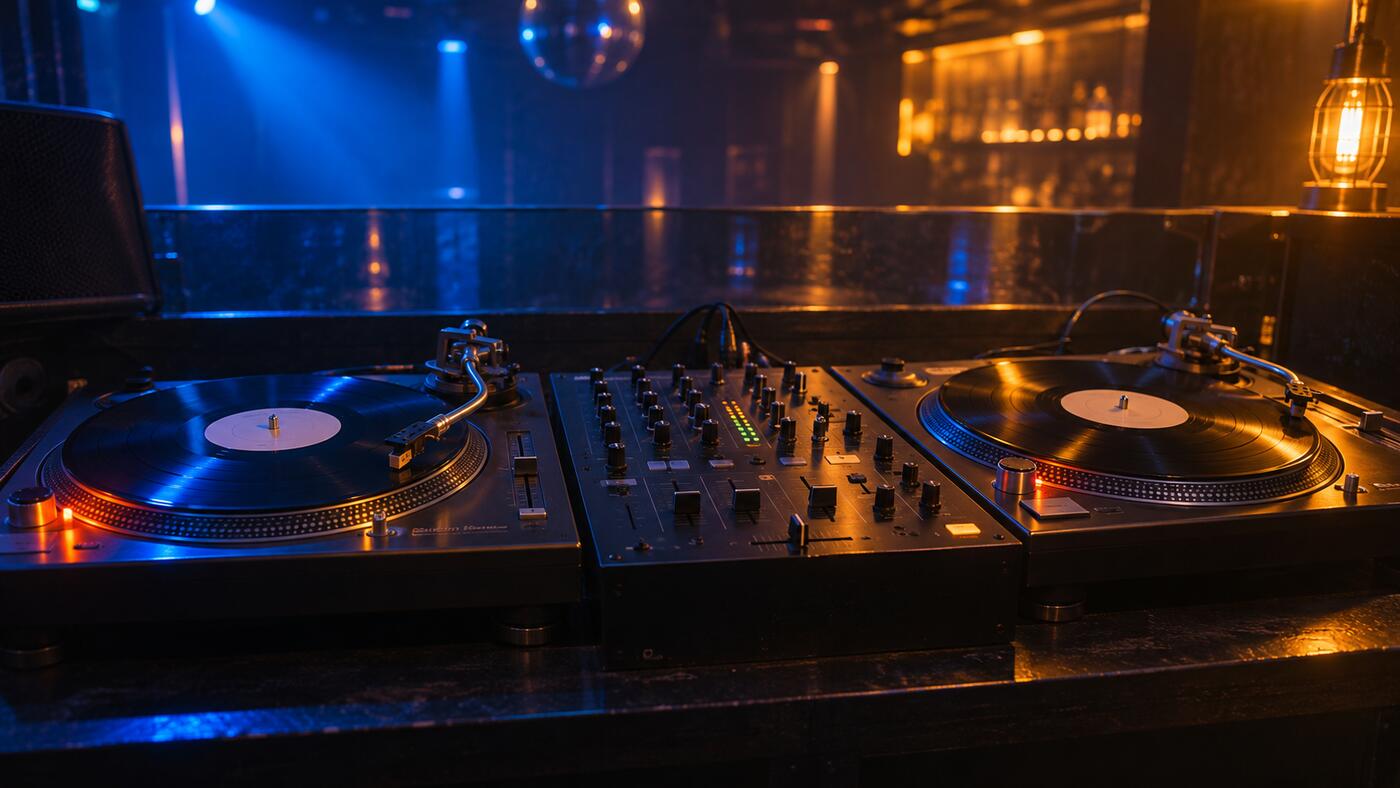
In short: Q Bar Bangkok was one of the first clubs in the city to book international DJs as a matter of routine. Its guests included hip-hop founders Afrika Bambaataa and Fab 5 Freddy, Jazzy Jeff, DJ Premier and Ice T, drum and bass pioneer LTJ Bukem, Mo’ Wax founder James Lavelle and house names such as Kevin Saunderson. Weekly resident nights filled the rest of the calendar.
For a club that started as a cocktail bar in an old house, Q Bar Bangkok booked a remarkable list of DJs. Between 1999 and 2013 the room on Sukhumvit Soi 11 hosted figures who had helped invent hip-hop, British label owners and touring house acts. This guide collects what the surviving record shows about those guest DJs, using the club’s archived web pages and interviews with the people who ran it. It is an independent history. We have no connection with the club.
What is a guest DJ night?
A guest DJ night is a club event built around a visiting DJ who is not one of the venue’s regular residents, usually a touring name from abroad. In Bangkok at the turn of the century these nights were rare. Andrew Clark, Q Bar’s co-founder, writes in his memoir that Q Bar became the first club in Bangkok to bring top international DJs regularly, with the costs covered by sponsorship from alcohol and cigarette brands. He credits resident DJ Billy V with turning the bar into a nightclub in the first place.
Hip-hop royalty on Soi 11
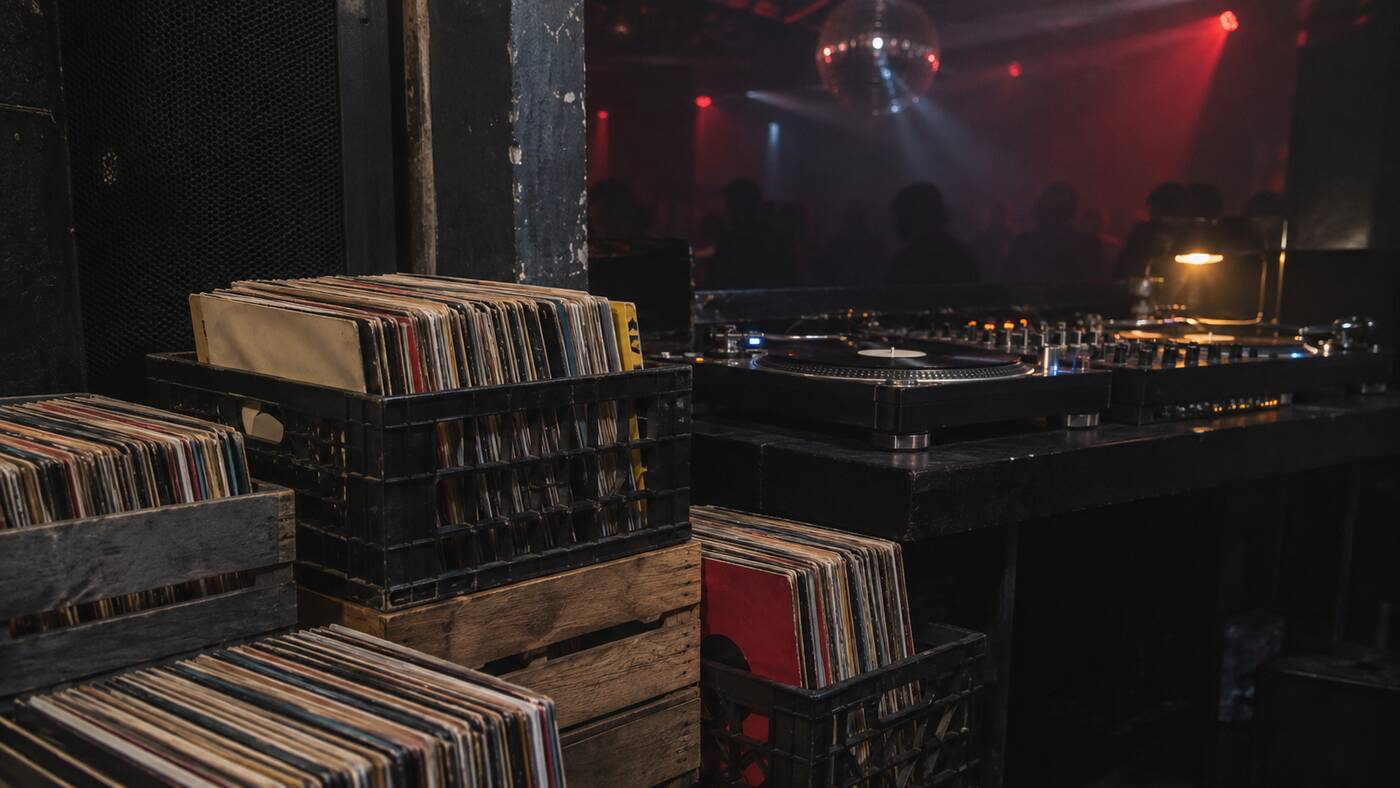
The club’s owner, David Jacobson, put it simply to BK Magazine: “We brought hip-hop to Bangkok. Ice T, Jazzy Jeff.” In its 2012 anniversary interview with The Nation, the club also named DJ Premier among its guests.
The most celebrated booking was Afrika Bambaataa. An archived page from the club’s website announced his Bangkok debut at Q Bar on Saturday 5 May, with entry at 800 baht including two drinks. The page called him one of the “holy trinity of Hip Hop” and the godfather of the electro funk sound. It credited him with founding the Zulu Nation out of a Bronx street gang and with records that, from “Planet Rock” onwards, fed into Miami bass, house and early techno.
Fab 5 Freddy and a Wild Style night
Another archived Q Bar page describes a night with Fab 5 Freddy on 10 November. It opened with an early-evening screening of the 1982 film Wild Style, which he helped produce and starred in, followed by a hip-hop history set. Entry was free, but seats for the film had to be reserved.
The page then invited guests to stay for a jam session with Thai hip-hop artists and invited guests from Gancore Club, Thaitanium and Bangkok Invaders. It is a good example of how the club used a visiting name to put local acts on the same stage. The same page recalls that Fab 5 Freddy started a 1981 club night called “Wheels of Steel” with Rock Steady Crew and Afrika Bambaataa, and that in 1988 he became the first hip-hop VJ as host of Yo! MTV Raps.

House, breaks and drum and bass
Q Bar was not only a hip-hop room. The Nation interview lists Kevin Saunderson and Hed Kandi nights among the club’s bookings. A 2003 copy of the club’s website on the Wayback Machine carries a profile of James Lavelle, founder of the Mo’ Wax label, under the heading “Break Beats”. It notes that he started Mo’ Wax in 1993 with 1,000 pounds when he was 19, and that the label released DJ Shadow’s Entroducing in 1996. “It changed everything,” Lavelle is quoted as saying.
The club’s favourite story from these years involves drum and bass. LTJ Bukem’s first show there, around 2005 by the club’s account to The Nation, coincided with rain so heavy it flooded the soi.
The weekly nights
Guest DJs were the headline, but resident nights paid the bills. The club’s events calendar for January 2013, saved on the Wayback Machine, shows a fixed weekly pattern, with every night starting at 9pm:
| Night | Party |
|---|---|
| Sunday | Sucka-Free Sundays |
| Monday | Boom Box Mondays |
| Tuesday | Radiotron Tuesdays |
| Wednesday | Block Party |
| Thursday | Ritual |
| Friday | House Seduction |
| Saturday | Bangers ‘n’ Mashups |
The same month listed the producer Just Blaze on Saturday 12 January, DJ Shy on 9 January and a new monthly House Classics party on 25 January. The club was closed on New Year’s Day.

Q Bar guest DJ highlights
- Afrika Bambaataa: Bangkok debut at Q Bar on a Saturday, 5 May, entry 800 baht with two drinks.
- Fab 5 Freddy: Wild Style screening and hip-hop history set on 10 November, with Thai hip-hop guests.
- LTJ Bukem: first show around 2005, on a night the soi flooded.
- James Lavelle: profiled on the club’s 2003 website.
- Ice T, Jazzy Jeff and DJ Premier: named by the owner and management as guests.
- Kevin Saunderson and Hed Kandi: named in the 2012 anniversary interview.
- Just Blaze: listed for 12 January 2013.
How Q Bar changed Bangkok bookings
Within a few years other venues followed. Bed Supperclub opened on the same soi in 2002 and went on to book acts such as Diplo, Laurent Garnier, Frankie Knuckles and Sven Väth, according to Mixmag Asia. Clark writes that by 2012 Bed was leading a new wave of clubs. The Nation’s 2013 report on Bed’s closure said that international DJs travelling to Bangkok had inspired local amateurs and helped the city’s club music scene grow. Our history of clubbing in Bangkok follows that wave, and the Q Bar history covers the club itself.
Key takeaways
- Q Bar’s co-founder says it was the first Bangkok club to book top international DJs regularly.
- Sponsorship from drinks and tobacco brands paid for many of the bookings.
- Hip-hop guests included Afrika Bambaataa, Fab 5 Freddy, Jazzy Jeff, DJ Premier and Ice T.
- House, breaks and drum and bass guests included Kevin Saunderson, James Lavelle and LTJ Bukem.
- A fixed weekly programme of resident nights ran alongside the guest bookings.
Common questions
Which famous DJs played at Q Bar Bangkok?
Interviews and the club’s archived pages name Afrika Bambaataa, Fab 5 Freddy, DJ Jazzy Jeff, DJ Premier, Ice T, LTJ Bukem, Kevin Saunderson and Just Blaze, along with Hed Kandi nights and a profile of Mo’ Wax founder James Lavelle. Owner David Jacobson said the club brought hip-hop to Bangkok.
How much did Q Bar guest nights cost?
Prices varied by booking. The archived page for Afrika Bambaataa’s Bangkok debut gave entry at 800 baht including two drinks. The Fab 5 Freddy night was free to enter, with reservations needed only for the film screening. These are historic prices and do not apply to any current venue.
Who paid for Q Bar’s international DJs?
Co-founder Andrew Clark writes that the club’s international DJ programme was funded by sponsorship from alcohol and cigarette brands. That model let a small club on a side street book names that would otherwise have been out of reach for Bangkok in the early 2000s.
What music did Q Bar play?
The club’s 2010 website said its residents played house, hip-hop, chill-out and soulful jazz. The January 2013 calendar shows a mix of hip-hop, mash-up and house nights across the week, plus a monthly House Classics party. Guest bookings added drum and bass, breaks and techno.
How we put this together: we read archived copies of the club’s own guest DJ and calendar pages on the Wayback Machine, then checked them against the club’s 2012 interview with The Nation, Andrew Clark’s memoir and BK Magazine’s interview with David Jacobson. Event years are given only where a source states them.
Sources
- Wayback Machine: Q Bar page for Afrika Bambaataa
- Wayback Machine: Q Bar page for Wild Style with Fab 5 Freddy
- Wayback Machine: Q Bar profile of James Lavelle, 2003
- Wayback Machine: Q Bar events calendar, January 2013
- The Nation: Q&A with the mighty Q, 2012
- Andrew Clark: Chapter 6, from ad agency to nightclub
- BK Magazine: Soi 11 photo exhibition
- The Nation: Pulling on the Bed cover, June 2013
- Mixmag Asia: Bed Supperclub anniversary