Category: Uncategorized

  • Q Bar Bangkok guest DJs: hip-hop, house and drum and bass

    Q Bar Bangkok guest DJs: hip-hop, house and drum and bass

    In short: Q Bar Bangkok was one of the first clubs in the city to book international DJs as a matter of routine. Its guests included hip-hop founders Afrika Bambaataa and Fab 5 Freddy, Jazzy Jeff, DJ Premier and Ice T, drum and bass pioneer LTJ Bukem, Mo’ Wax founder James Lavelle and house names such as Kevin Saunderson. Weekly resident nights filled the rest of the calendar.

    For a club that started as a cocktail bar in an old house, Q Bar Bangkok booked a remarkable list of DJs. Between 1999 and 2013 the room on Sukhumvit Soi 11 hosted figures who had helped invent hip-hop, British label owners and touring house acts. This guide collects what the surviving record shows about those guest DJs, using the club’s archived web pages and interviews with the people who ran it. It is an independent history. We have no connection with the club.

    What is a guest DJ night?

    A guest DJ night is a club event built around a visiting DJ who is not one of the venue’s regular residents, usually a touring name from abroad. In Bangkok at the turn of the century these nights were rare. Andrew Clark, Q Bar’s co-founder, writes in his memoir that Q Bar became the first club in Bangkok to bring top international DJs regularly, with the costs covered by sponsorship from alcohol and cigarette brands. He credits resident DJ Billy V with turning the bar into a nightclub in the first place.
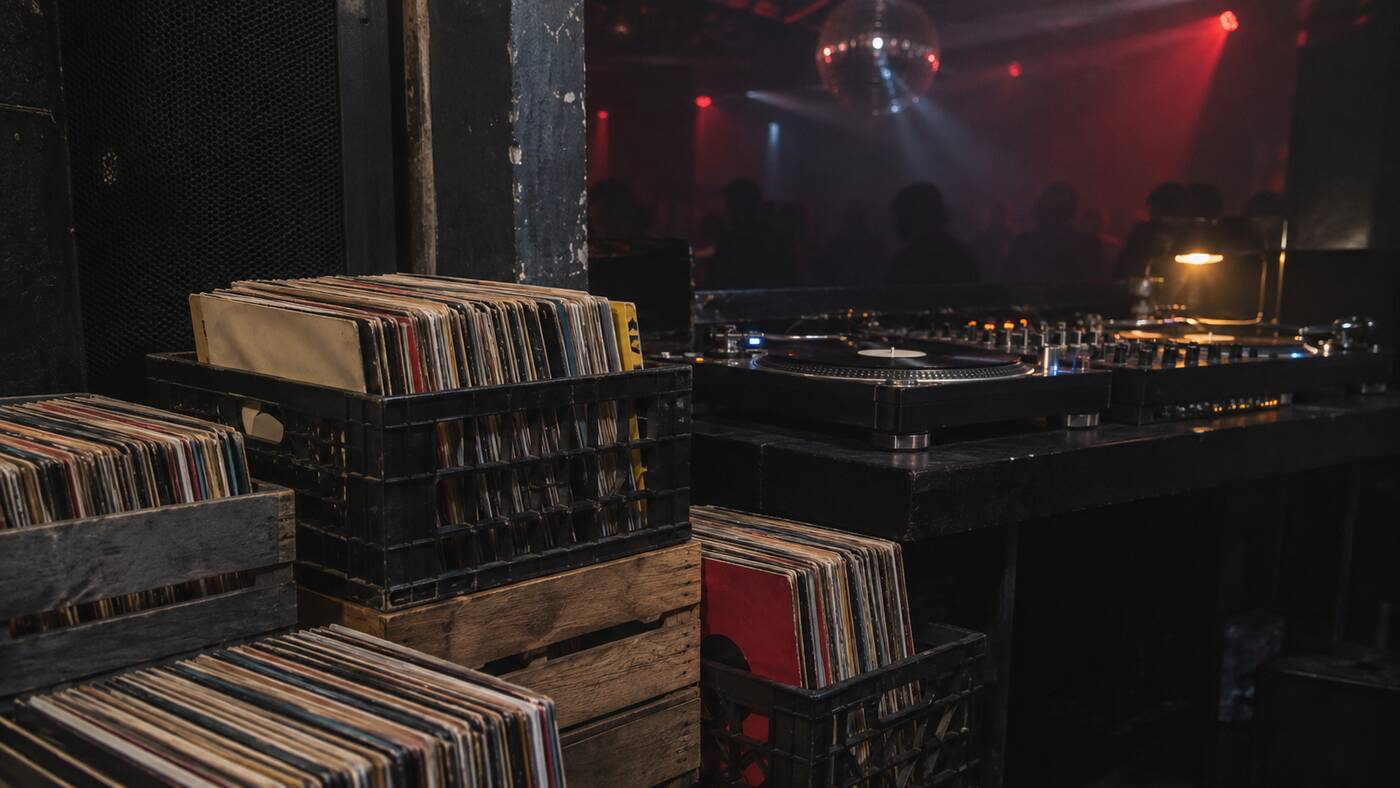
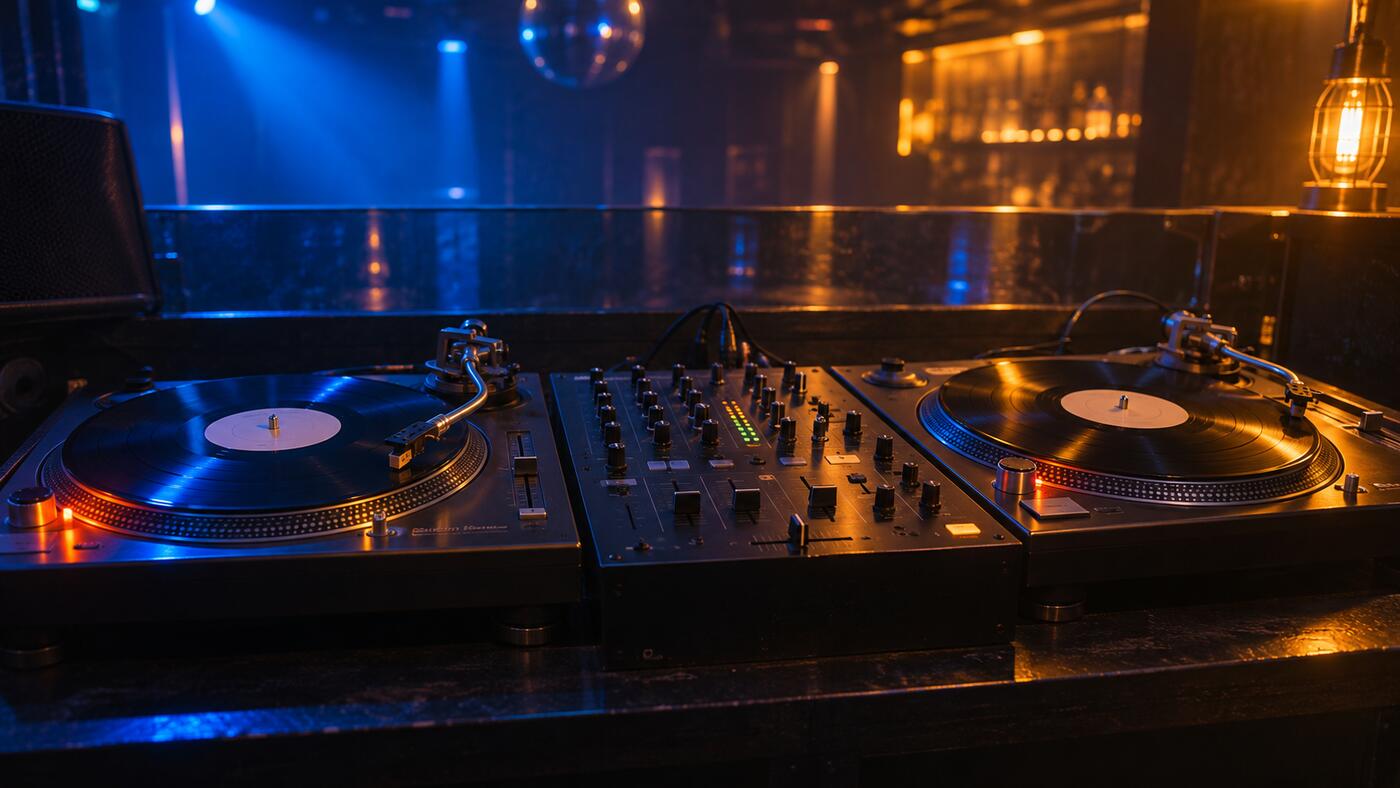
    Crates of vinyl records stacked beside a DJ booth in a dark club
    Visiting DJs travelled with crates of records in the early 2000s. Illustration.

    Hip-hop royalty on Soi 11

    The club’s owner, David Jacobson, put it simply to BK Magazine: “We brought hip-hop to Bangkok. Ice T, Jazzy Jeff.” In its 2012 anniversary interview with The Nation, the club also named DJ Premier among its guests.

    The most celebrated booking was Afrika Bambaataa. An archived page from the club’s website announced his Bangkok debut at Q Bar on Saturday 5 May, with entry at 800 baht including two drinks. The page called him one of the “holy trinity of Hip Hop” and the godfather of the electro funk sound. It credited him with founding the Zulu Nation out of a Bronx street gang and with records that, from “Planet Rock” onwards, fed into Miami bass, house and early techno.
    A wall covered in colourful abstract graffiti lettering in a dim alley
    A Fab 5 Freddy night paired a hip-hop film screening with a graffiti-era history set. Illustration.

    Fab 5 Freddy and a Wild Style night

    Another archived Q Bar page describes a night with Fab 5 Freddy on 10 November. It opened with an early-evening screening of the 1982 film Wild Style, which he helped produce and starred in, followed by a hip-hop history set. Entry was free, but seats for the film had to be reserved.

    The page then invited guests to stay for a jam session with Thai hip-hop artists and invited guests from Gancore Club, Thaitanium and Bangkok Invaders. It is a good example of how the club used a visiting name to put local acts on the same stage. The same page recalls that Fab 5 Freddy started a 1981 club night called “Wheels of Steel” with Rock Steady Crew and Afrika Bambaataa, and that in 1988 he became the first hip-hop VJ as host of Yo! MTV Raps.
    Silhouetted hands raised in a crowd under blue and purple club lights
    Hip-hop, house and drum and bass nights filled the room through the week. Illustration.

    House, breaks and drum and bass

    Q Bar was not only a hip-hop room. The Nation interview lists Kevin Saunderson and Hed Kandi nights among the club’s bookings. A 2003 copy of the club’s website on the Wayback Machine carries a profile of James Lavelle, founder of the Mo’ Wax label, under the heading “Break Beats”. It notes that he started Mo’ Wax in 1993 with 1,000 pounds when he was 19, and that the label released DJ Shadow’s Entroducing in 1996. “It changed everything,” Lavelle is quoted as saying.

    The club’s favourite story from these years involves drum and bass. LTJ Bukem’s first show there, around 2005 by the club’s account to The Nation, coincided with rain so heavy it flooded the soi.

    The weekly nights

    Guest DJs were the headline, but resident nights paid the bills. The club’s events calendar for January 2013, saved on the Wayback Machine, shows a fixed weekly pattern, with every night starting at 9pm:

    NightParty
    SundaySucka-Free Sundays
    MondayBoom Box Mondays
    TuesdayRadiotron Tuesdays
    WednesdayBlock Party
    ThursdayRitual
    FridayHouse Seduction
    SaturdayBangers ‘n’ Mashups

    The same month listed the producer Just Blaze on Saturday 12 January, DJ Shy on 9 January and a new monthly House Classics party on 25 January. The club was closed on New Year’s Day.

    A desk with blank printed flyers and a calendar grid under a lamp
    The club’s events calendar listed a different party every night of the week. Illustration.

    Q Bar guest DJ highlights

    • Afrika Bambaataa: Bangkok debut at Q Bar on a Saturday, 5 May, entry 800 baht with two drinks.
    • Fab 5 Freddy: Wild Style screening and hip-hop history set on 10 November, with Thai hip-hop guests.
    • LTJ Bukem: first show around 2005, on a night the soi flooded.
    • James Lavelle: profiled on the club’s 2003 website.
    • Ice T, Jazzy Jeff and DJ Premier: named by the owner and management as guests.
    • Kevin Saunderson and Hed Kandi: named in the 2012 anniversary interview.
    • Just Blaze: listed for 12 January 2013.
    Umbrellas crowding a narrow city lane in heavy evening rain near a club entrance
    Rain flooded the soi on the night of LTJ Bukem’s first show. Illustration.

    How Q Bar changed Bangkok bookings

    Within a few years other venues followed. Bed Supperclub opened on the same soi in 2002 and went on to book acts such as Diplo, Laurent Garnier, Frankie Knuckles and Sven Väth, according to Mixmag Asia. Clark writes that by 2012 Bed was leading a new wave of clubs. The Nation’s 2013 report on Bed’s closure said that international DJs travelling to Bangkok had inspired local amateurs and helped the city’s club music scene grow. Our history of clubbing in Bangkok follows that wave, and the Q Bar history covers the club itself.

    Key takeaways

    • Q Bar’s co-founder says it was the first Bangkok club to book top international DJs regularly.
    • Sponsorship from drinks and tobacco brands paid for many of the bookings.
    • Hip-hop guests included Afrika Bambaataa, Fab 5 Freddy, Jazzy Jeff, DJ Premier and Ice T.
    • House, breaks and drum and bass guests included Kevin Saunderson, James Lavelle and LTJ Bukem.
    • A fixed weekly programme of resident nights ran alongside the guest bookings.

    Common questions

    Which famous DJs played at Q Bar Bangkok?

    Interviews and the club’s archived pages name Afrika Bambaataa, Fab 5 Freddy, DJ Jazzy Jeff, DJ Premier, Ice T, LTJ Bukem, Kevin Saunderson and Just Blaze, along with Hed Kandi nights and a profile of Mo’ Wax founder James Lavelle. Owner David Jacobson said the club brought hip-hop to Bangkok.

    How much did Q Bar guest nights cost?

    Prices varied by booking. The archived page for Afrika Bambaataa’s Bangkok debut gave entry at 800 baht including two drinks. The Fab 5 Freddy night was free to enter, with reservations needed only for the film screening. These are historic prices and do not apply to any current venue.

    Who paid for Q Bar’s international DJs?

    Co-founder Andrew Clark writes that the club’s international DJ programme was funded by sponsorship from alcohol and cigarette brands. That model let a small club on a side street book names that would otherwise have been out of reach for Bangkok in the early 2000s.

    What music did Q Bar play?

    The club’s 2010 website said its residents played house, hip-hop, chill-out and soulful jazz. The January 2013 calendar shows a mix of hip-hop, mash-up and house nights across the week, plus a monthly House Classics party. Guest bookings added drum and bass, breaks and techno.

    How we put this together: we read archived copies of the club’s own guest DJ and calendar pages on the Wayback Machine, then checked them against the club’s 2012 interview with The Nation, Andrew Clark’s memoir and BK Magazine’s interview with David Jacobson. Event years are given only where a source states them.

    Sources

  • Q Bar Bangkok history: the Soi 11 club, 1999 to 2013

    Q Bar Bangkok history: the Soi 11 club, 1999 to 2013

    In short: Q Bar Bangkok opened on 17 December 1999 in an old house on Sukhumvit Soi 11. It grew out of a Saigon bar of the same name founded by photographer David Jacobson. Under Jacobson and partner Andrew Clark it became one of the first Bangkok clubs to book international DJs regularly. Jacobson sold it in late 2012 or early 2013.

    Q Bar Bangkok is one of the clubs people mention first when they talk about how Bangkok nightlife grew up. For about thirteen years it sat on a side street off Sukhumvit Road, booked hip-hop legends and house DJs, survived police raids and political crises, and helped turn Soi 11 into a nightlife street. This is an independent history of the club, built from interviews, press reports and archived copies of its own website. We are not the club, and the club as it was described here no longer operates.

    What was Q Bar Bangkok?

    Q Bar Bangkok was a cocktail bar and nightclub at 34 Sukhumvit Soi 11, opened in December 1999 by American photographer David Jacobson and advertising executive Andrew Clark. On an archived 2010 copy of its website the club called itself “the first New York style cocktail bar” in Bangkok and promised the city’s largest selection of spirits. Resident DJs played house, hip-hop, chill-out and soulful jazz, and the room was known for black upholstered walls and swivel chairs from the 1950s and 1960s. Tripadvisor now lists the venue at that address as permanently closed.

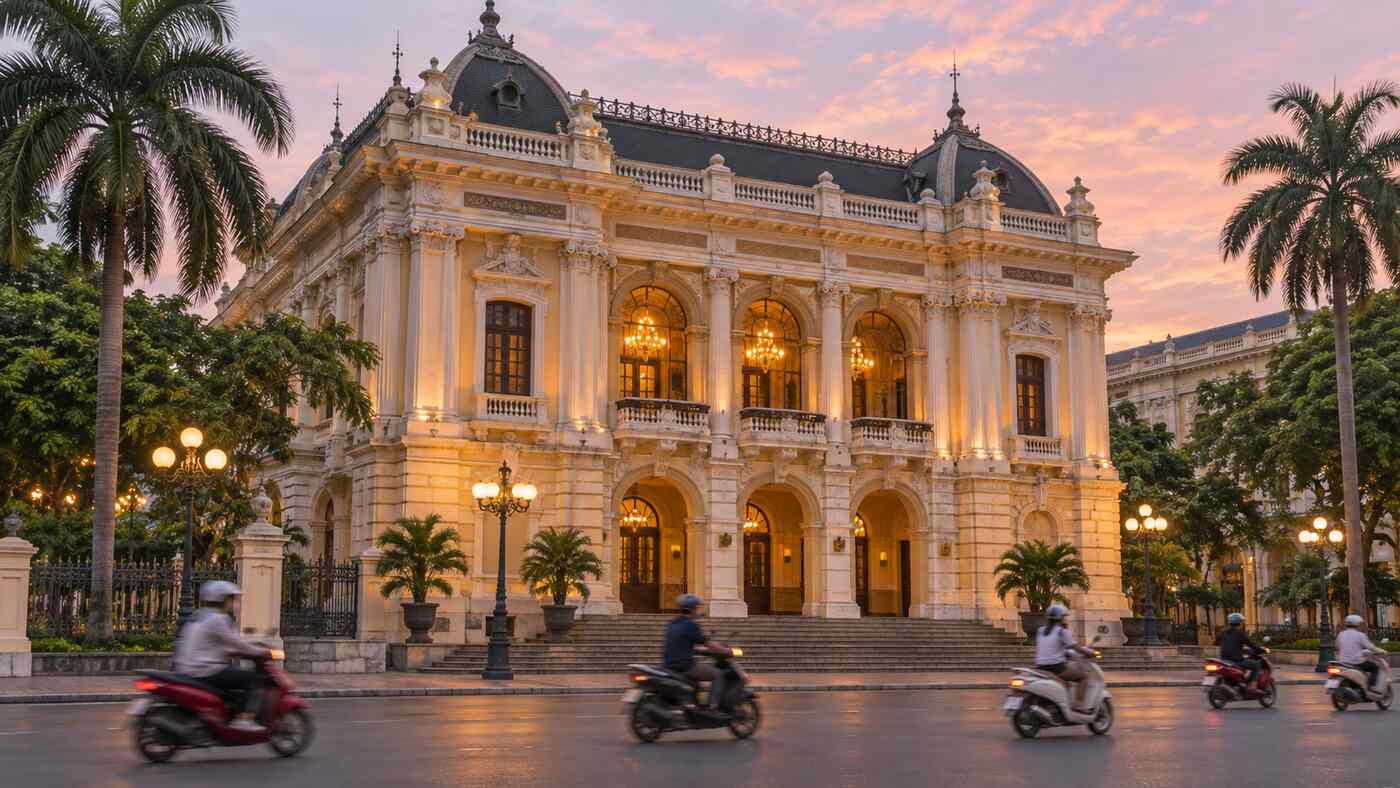
    A grand colonial-era opera house facade in a tropical city at dusk with scooters passing
    The first Q Bar opened in 1992 inside the Saigon Opera House. Illustration.

    The Saigon Opera House years

    The story starts in Vietnam. Jacobson, who had worked as a commercial photographer in the United States in the 1980s, travelled to Cambodia and Vietnam on a photography assignment, according to a 2018 Coconuts profile by Jim Algie. In 1992 he opened the first Q Bar in Saigon, a venue that The Nation says drew guests such as Kate Moss and Robert De Niro.

    That bar was inside the Saigon Opera House. Andrew Clark describes the building and the city of the early 1990s in chapter 7 of his memoir on Substack, published in December 2025. He recalls a Saigon with few tourists, shortly after the American trade embargo was lifted in February 1994. Writer Matt Gross remembers the same bar in his own essay, which names its co-founder Phuong Anh Nguyen.

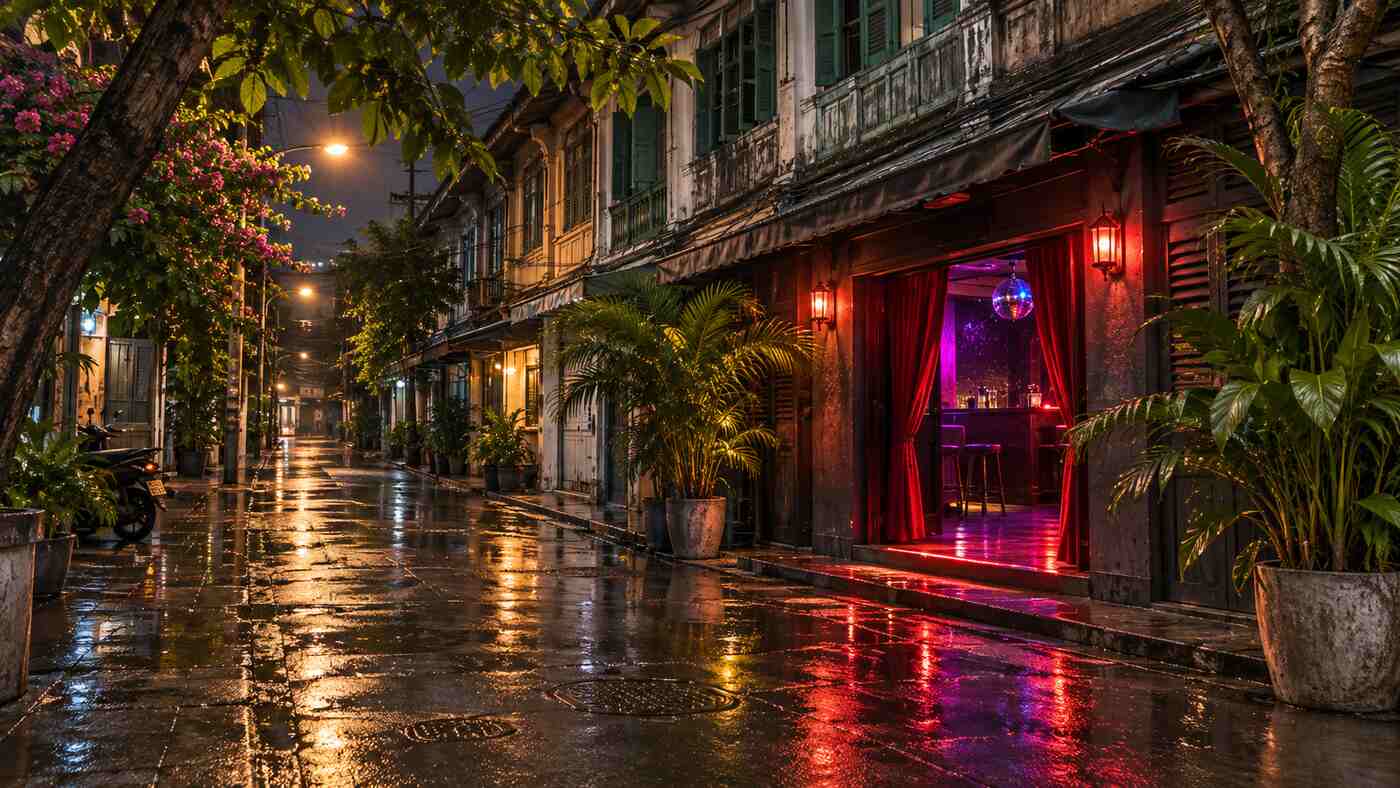
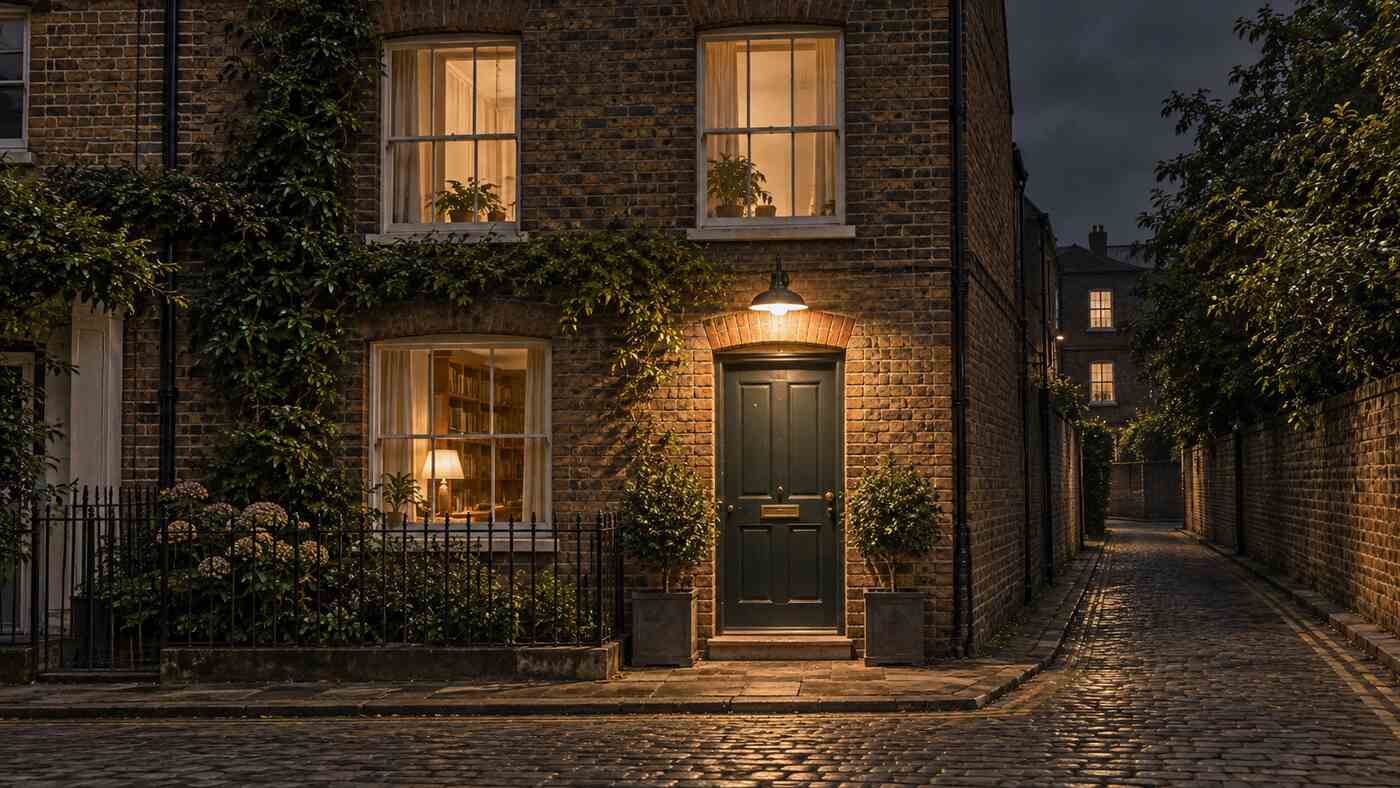
    A converted old two-storey house down a quiet city lane at night with a single lamp over the door
    The Bangkok club was built inside an old house on a lane that partners called a dead soi. Illustration.

    From Saigon to Sukhumvit Soi 11

    In 1998 Jacobson was refused re-entry to Vietnam and settled in Bangkok, Clark writes in chapter 6 of his memoir. Clark ran an advertising agency in the city and had been hosting a Sunday night called “Rebirth of Cool” at Rivas, a club in the basement of the Sheraton Grande Sukhumvit. The two men went into partnership, which Clark says lasted fourteen years.

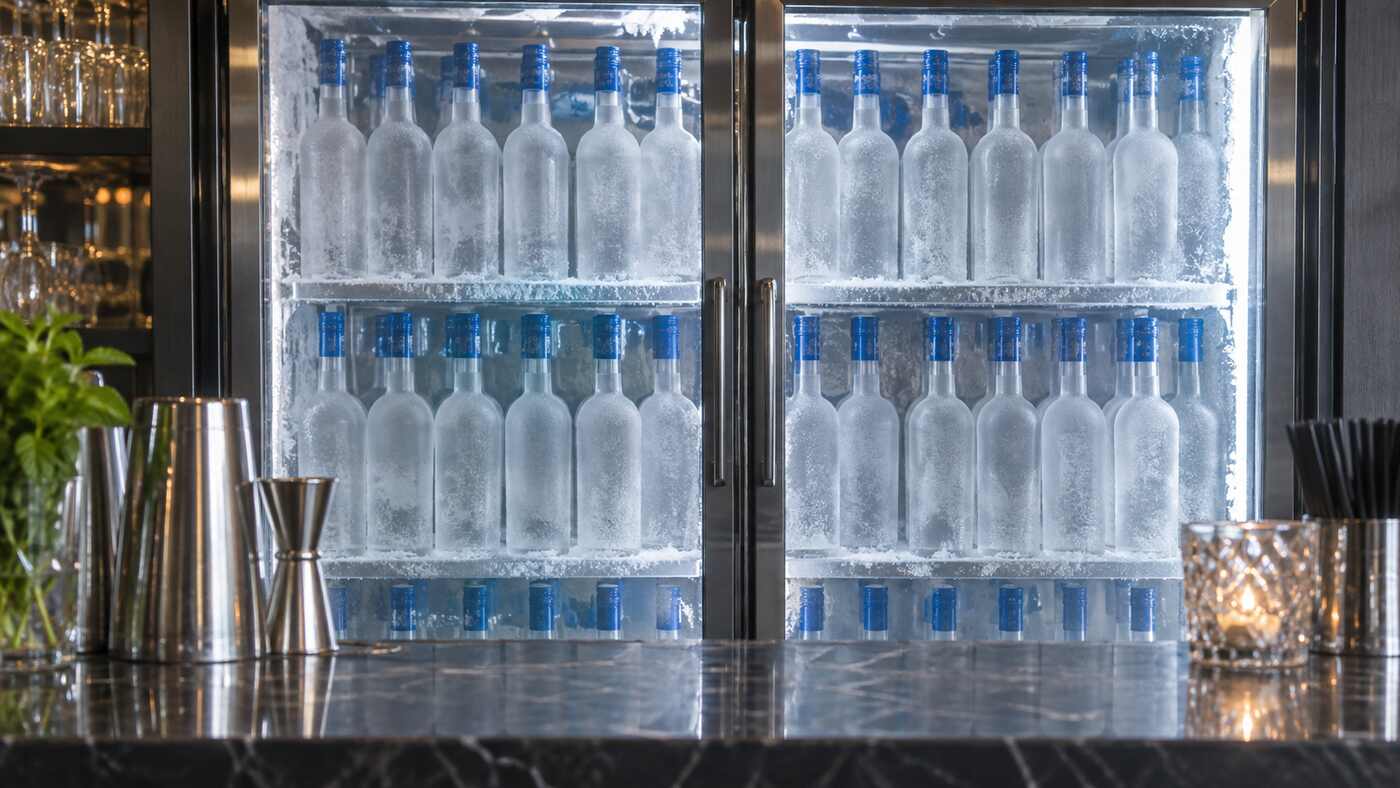
    They found an old house on Soi 11. In 2012 the club’s management told The Nation that the lane was “pretty much a dead soi” at the time and that Bangkok’s club scene was “embryonic”. Orbit Design fitted the house with padded walls. Clark remembers a Saigon cyclo with a Louis Vuitton canopy as part of the decor and 45 vodkas stored in a freezer at minus 17 degrees.

    Rows of frosted vodka bottles inside a glass-fronted freezer behind a dark bar counter
    The bar opened with dozens of vodkas kept in a deep freezer. Illustration.

    Opening night and the first years

    Q Bar opened on 17 December 1999 with an invitation titled “New Era” and, by Clark’s count, more than 400 guests. It began as a cocktail bar. Clark credits DJ Billy V with turning it into a nightclub, and says Q Bar became the first club in Bangkok to bring top international DJs regularly, paid for with sponsorship from alcohol and cigarette brands.

    Jacobson told BK Magazine that the team trained staff on every bottle behind the bar. “We brought hip-hop to Bangkok. Ice T, Jazzy Jeff,” he said. The 2010 website listed famous visitors including Matt Dillon, Oliver Stone, Eric Cantona and Michelle Yeoh. Our guide to Q Bar’s guest DJs covers the bookings in more detail.

    Raids, curfews and hard years

    Q Bar grew up during the most restrictive period in modern Bangkok nightlife. From 2001 the Thaksin Shinawatra government’s social order campaign set early closing times and sent police to raid clubs. In October 2004 the Associated Press described one raid on Q Bar: about 50 officers locked the doors after midnight with nearly 400 customers inside and ordered urine drug tests. Of 373 people tested, two were positive, and club sources said both were later cleared. Police took 104 foreigners to a station and fined them for not carrying passports.

    The general manager at the time, Richard Lofthouse, called the raids “pretty much an annual event”. Looking back in 2012, the club told The Nation that “the Thaksin years were the hardest”, with early closings and the war on drugs. It also listed SARS, H1N1, the tsunami, a military coup, the yellow-shirt and red-shirt protests and the floods as disruptions it had to ride out.

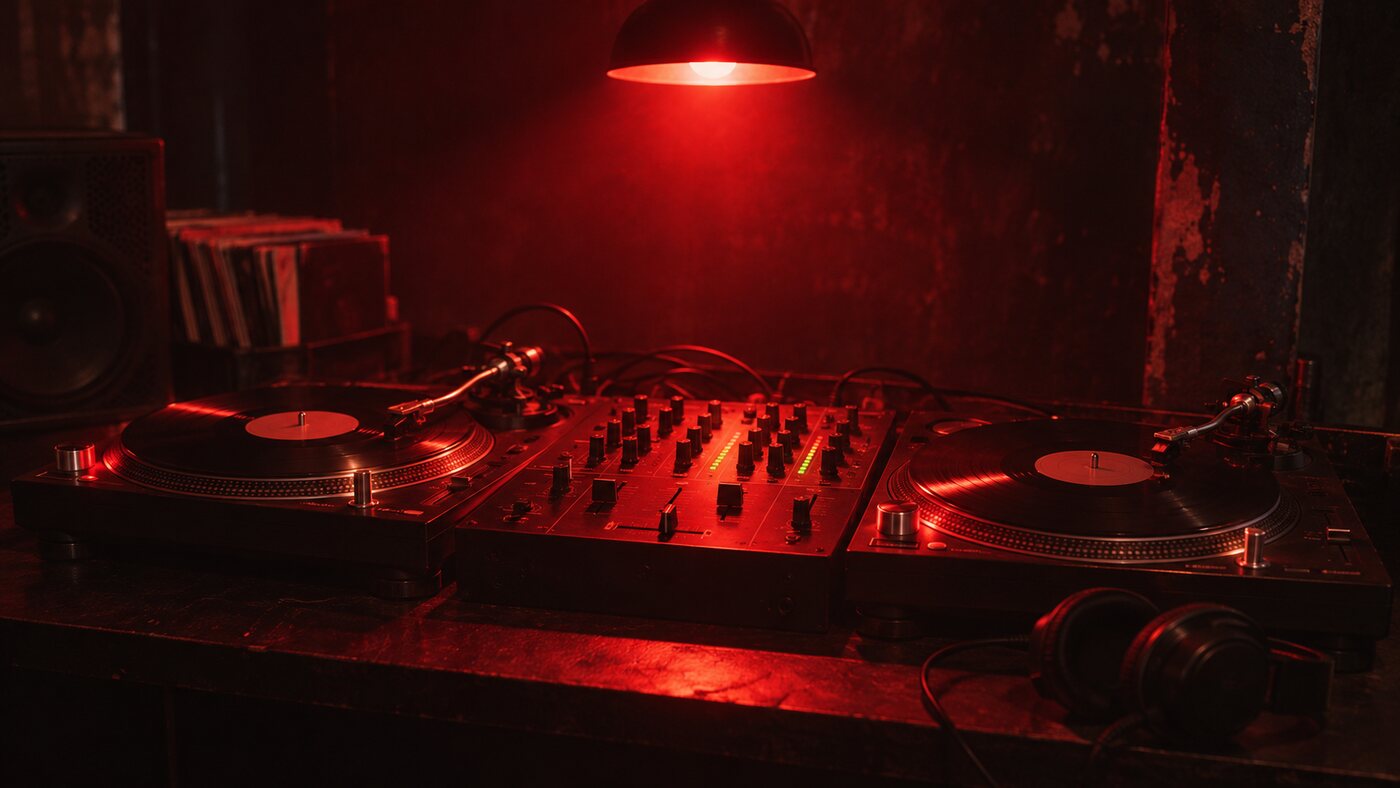
    A dimly lit DJ booth with two turntables and a mixer under a single red light
    Guest DJs turned the cocktail bar into a nightclub. Illustration.

    Q Bar timeline

    • 1992: David Jacobson opens the first Q Bar in the Saigon Opera House.
    • 1998: Jacobson is refused re-entry to Vietnam and settles in Bangkok.
    • 17 December 1999: Q Bar Bangkok opens on Sukhumvit Soi 11.
    • 2002: Bed Supperclub opens on the same soi, according to the Bangkok Post.
    • 2004: police raid the club during the social order campaign.
    • 2012: Q Bar celebrates its 13th anniversary under owner David Jacobson and general manager Denis Hemakom.
    • Late 2012 to early 2013: Jacobson sells the club, keeping a 25 per cent share for three years.
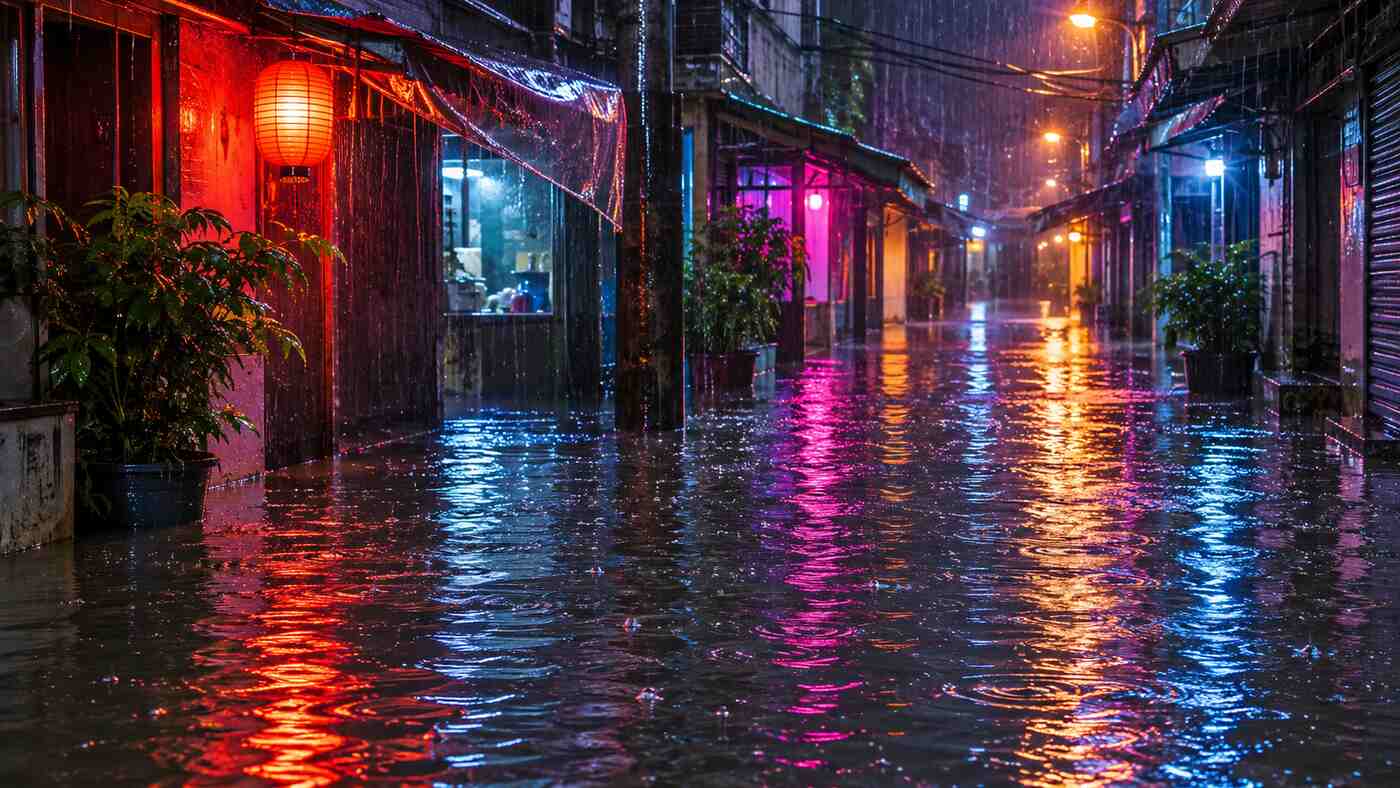
    A narrow city lane flooded with rainwater at night reflecting neon light
    Rain once flooded the soi on the night of a drum and bass show. Illustration.

    The sale and what came after

    By the club’s 13th anniversary in December 2012, Jacobson was the owner and Denis Hemakom the general manager, according to The Nation. They spoke of new projects, including venues called Birdcage and Le Derriere. BK Magazine reported that the rent rose by 500 per cent after the landlady sold the building, and that Jacobson sold Q Bar in late 2012 or early 2013, keeping a 25 per cent stake for three years. The club continued under a changed name with cutbacks. Jacobson’s verdict: it was “never the same”.

    Jacobson went on to co-found Smalls, a bar on Suan Phlu Soi 1, with partner Bruno Tanquerel. BK described an exhibition of his Soi 11 snapshots, called “Snapperella”, at Gallerie SmArt. The World’s 50 Best Bars discovery guide includes Smalls in its Bangkok listings.

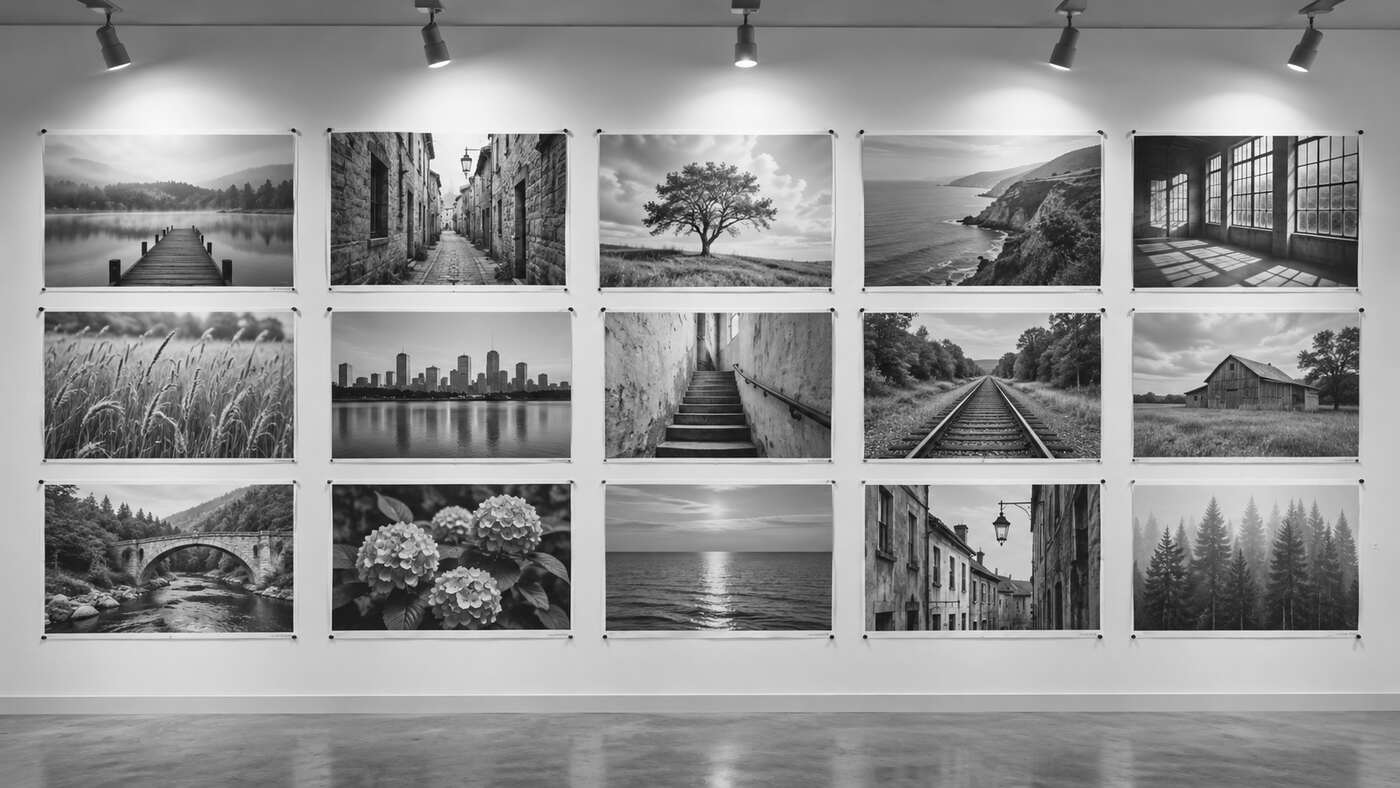
    Black and white photo prints pinned in rows on a gallery wall under spotlights
    An exhibition of Soi 11 snapshots later looked back at the club years. Illustration.

    Why Q Bar still matters

    Q Bar showed that a Bangkok club could book international DJs as a matter of routine, and that Soi 11 could be a destination. Bed Supperclub’s founder Paris Batra was a regular at Q Bar while he planned his own club down the street, Coconuts reported. Today Soi 11 is one of the busiest nightlife streets in the city, as our guide to Sukhumvit Soi 11 explains, and the wider story of the city’s clubs is in our history of clubbing in Bangkok.

    Key takeaways

    • Q Bar Bangkok opened on 17 December 1999 at 34 Sukhumvit Soi 11.
    • It grew out of a 1992 Saigon bar in the city’s Opera House founded by David Jacobson.
    • Jacobson and Andrew Clark ran it as partners, and Clark says it was the first Bangkok club to book top international DJs regularly.
    • Police raided it during the social order campaign of the early 2000s.
    • Jacobson sold the club in late 2012 or early 2013 after a steep rent rise.

    Common questions

    When did Q Bar Bangkok open?

    Q Bar Bangkok opened on 17 December 1999, according to co-founder Andrew Clark’s memoir. The opening party used an invitation titled “New Era” and drew more than 400 guests. The club celebrated its 13th anniversary in December 2012, which The Nation covered in an interview with the owner and general manager.

    Who owned Q Bar Bangkok?

    The club was founded by American photographer David Jacobson with advertising executive Andrew Clark as his local partner. The Nation named Jacobson as owner in 2012. BK Magazine reported that he sold the club in late 2012 or early 2013 and kept a 25 per cent share for three years.

    Is Q Bar Bangkok still open?

    Tripadvisor lists Q Bar Bangkok at 34 Sukhumvit Soi 11 as permanently closed. BK Magazine reported that the club continued for a time under a different name after the 2013 sale. This website is an independent history and has no connection with the club or its former owners.

    Was there a Q Bar in Saigon?

    Yes. David Jacobson opened the first Q Bar in Saigon in 1992, inside the city’s Opera House. The Nation says it attracted guests such as Kate Moss and Robert De Niro. Andrew Clark and writer Matt Gross have both written first-hand accounts of the bar in the 1990s.

    Where was Q Bar Bangkok?

    Q Bar was at 34 Sukhumvit Soi 11, a side street off Sukhumvit Road in central Bangkok. When it opened in 1999 its managers described the lane as a dead soi. Bed Supperclub opened nearby in 2002, and the street later filled with bars and clubs.

    How we put this together: the history draws on Andrew Clark’s first-hand memoir chapters, The Nation’s 2012 anniversary interview, BK Magazine’s report on David Jacobson’s photo exhibition, the Associated Press account of the 2004 raid and archived copies of the club’s own website. Where accounts differ we follow the earliest dated source.

    Sources