Category: Bangkok nightlife

  • Bangkok nightlife districts: a guide to the main areas

    Bangkok nightlife districts: a guide to the main areas

    In short: Bangkok’s nightlife is spread across several districts with different characters. Silom and Patpong, RCA and Ratchada are the city’s official entertainment zones. Thonglor and Ekkamai are known for cocktail bars and live music, Sukhumvit Soi 11 for clubs and rooftops, Khao San Road for backpackers and Chinatown for a newer wave of acclaimed bars.

    Bangkok does not have a single nightlife centre. It has a set of districts, each shaped by its own history: a family’s land purchase after the Second World War, a railway lease, a government zoning plan or a club that took a chance on a quiet side street. This guide describes the main areas, how they developed and what the rules are in each. It is independent and not commercial. We do not list prices or rank venues, and we take no payment from any business.

    What is a nightlife district in Bangkok?

    A nightlife district in Bangkok is an area where bars, clubs and late venues cluster, either because the government has designated it as an entertainment zone or because venues gathered there over time. The official zones matter because they decide closing times. Bangkok’s 2002 zoning plan allows nightclubs and bars with dancing only in RCA, Patpong and Ratchada, the Bangkok Post reports, and the 4am trial of December 2023 extended hours in Silom, Patpong, RCA, Ratchadaphisek, Khao San and hotels. Our guide to closing times explains those rules.
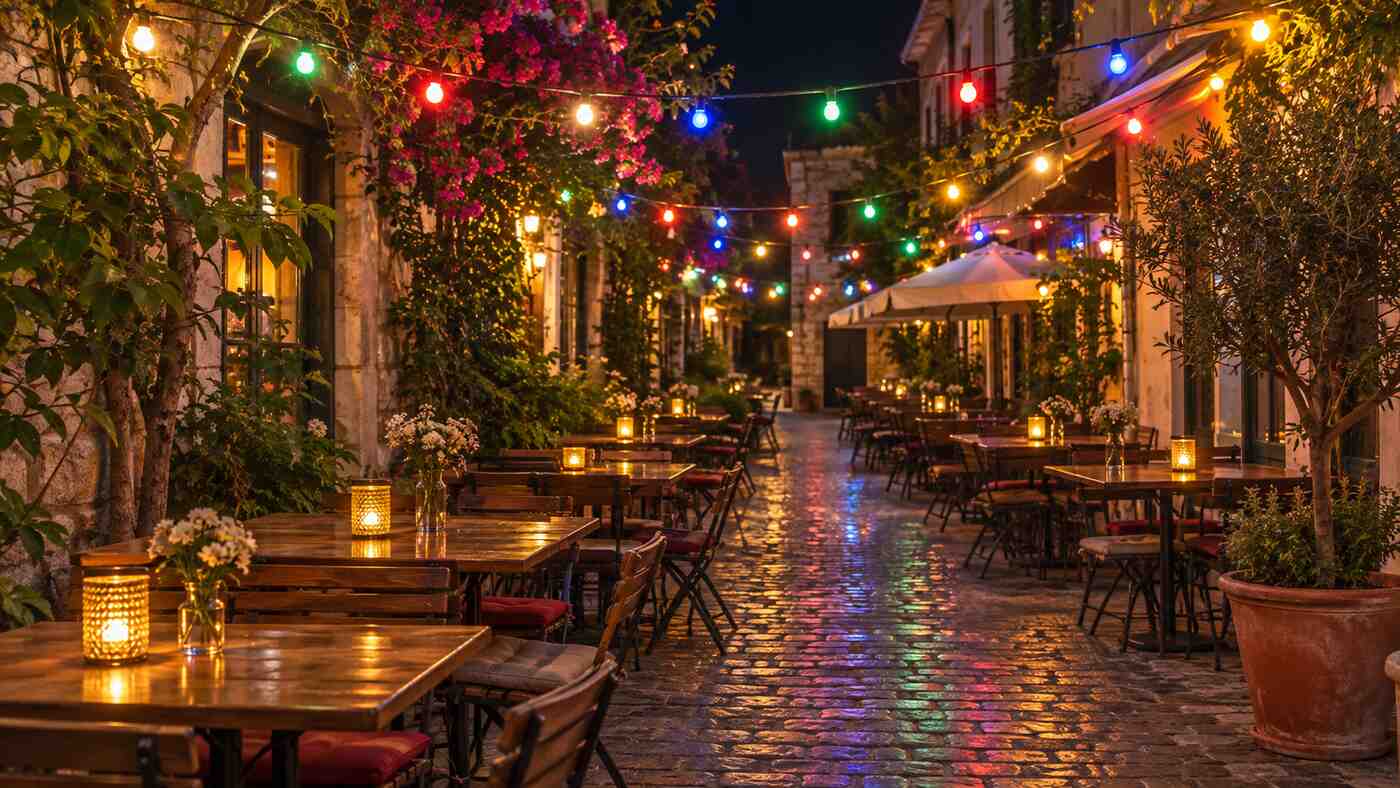
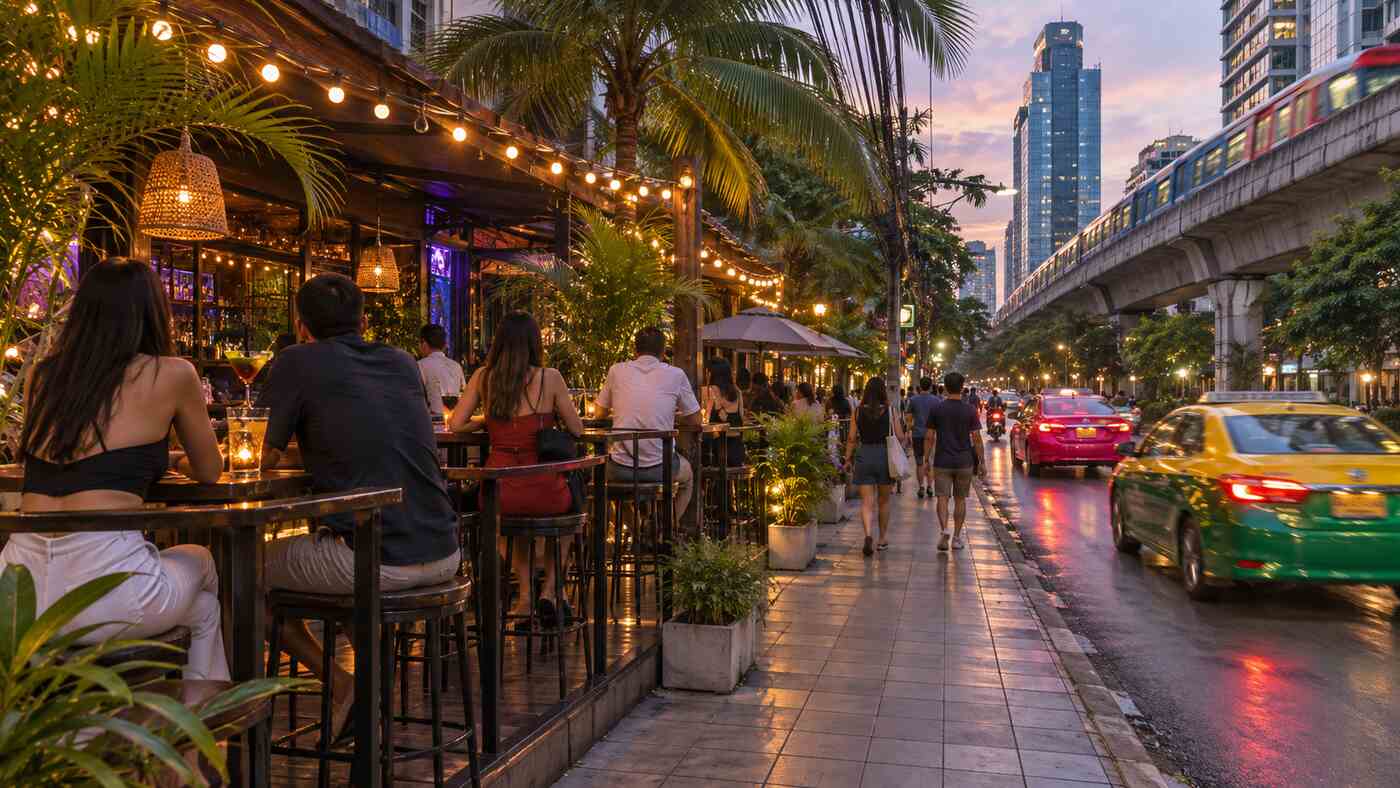
    A narrow lane lined with outdoor tables and colourful string lights at night
    Silom Soi 4 has been a gathering place for Bangkok’s LGBTQ+ community since the 1980s. Illustration.

    Silom and Patpong

    Patpong is an entertainment district in Bang Rak, between Silom Road and Surawong Road. It takes its name from the family that owns much of the land: Luang Patpongpanich bought what was then an undeveloped plot in 1946, according to Wikipedia’s Patpong article, and Patpong 1 and 2 remain private roads. The area is internationally known as a red-light district, and it is also one of the city’s oldest nightlife areas. BK Magazine’s 2013 history of clubbing recalls Lucifer’s on Patpong, opened in 1998 as one of the first clubs to play techno trance until 5am.

    Next door, Silom Soi 4 grew into a hub of Bangkok’s LGBTQ+ nightlife. Pride Thailand says Telephone Pub opened there in 1987 as one of the city’s first openly gay bars, ran for more than 35 years and was later reborn as Circus Soi 4. Rome Club and Deeper, two key clubs of the 1990s rave scene, were on the same soi, and BK describes Silom Soi 2, home of DJ Station, as a soi filled entirely with gay bars.

    RCA (Royal City Avenue)

    Royal City Avenue, usually called RCA, is a long street in Huai Khwang district between Rama IX Road and Phetchaburi Road, described by Wikipedia as one of Bangkok’s largest clubbing areas. The 62-rai project is managed by Narai Ruampipat, a company in the Bangkok Bank group, on a 30-year lease from the State Railway of Thailand. That lease expired in October 2022 and was renewed year to year while the railway studied redevelopment. Clubs on the strip have included Route 66 and Astra, which BK says later became 808 and then LED.
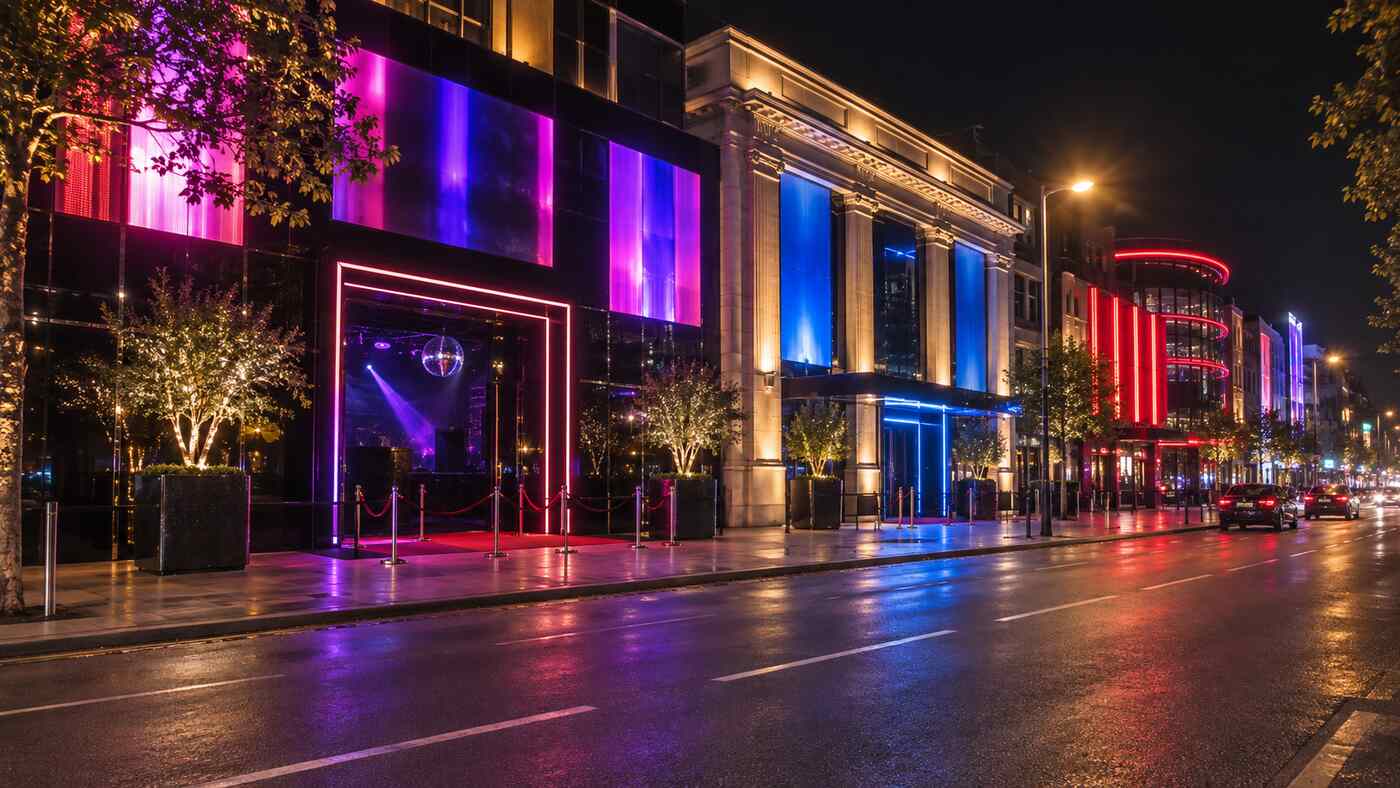
    A wide road lined with large club buildings and bright signage at night
    RCA grew on land leased from the State Railway of Thailand. Illustration.

    Ratchada

    Ratchadaphisek Road, or Ratchada, is one of the three original zones. It has a long history of very large venues. BK recalls NASA, a space-race-themed hangar from the 1980s that could hold about 4,000 people a night. In 2001 the social order campaign tried to concentrate nightlife in Silom, Ratchada and RCA, writes Philip Cornwel-Smith in Koktail Magazine, with early closing times he describes as unprofitable.
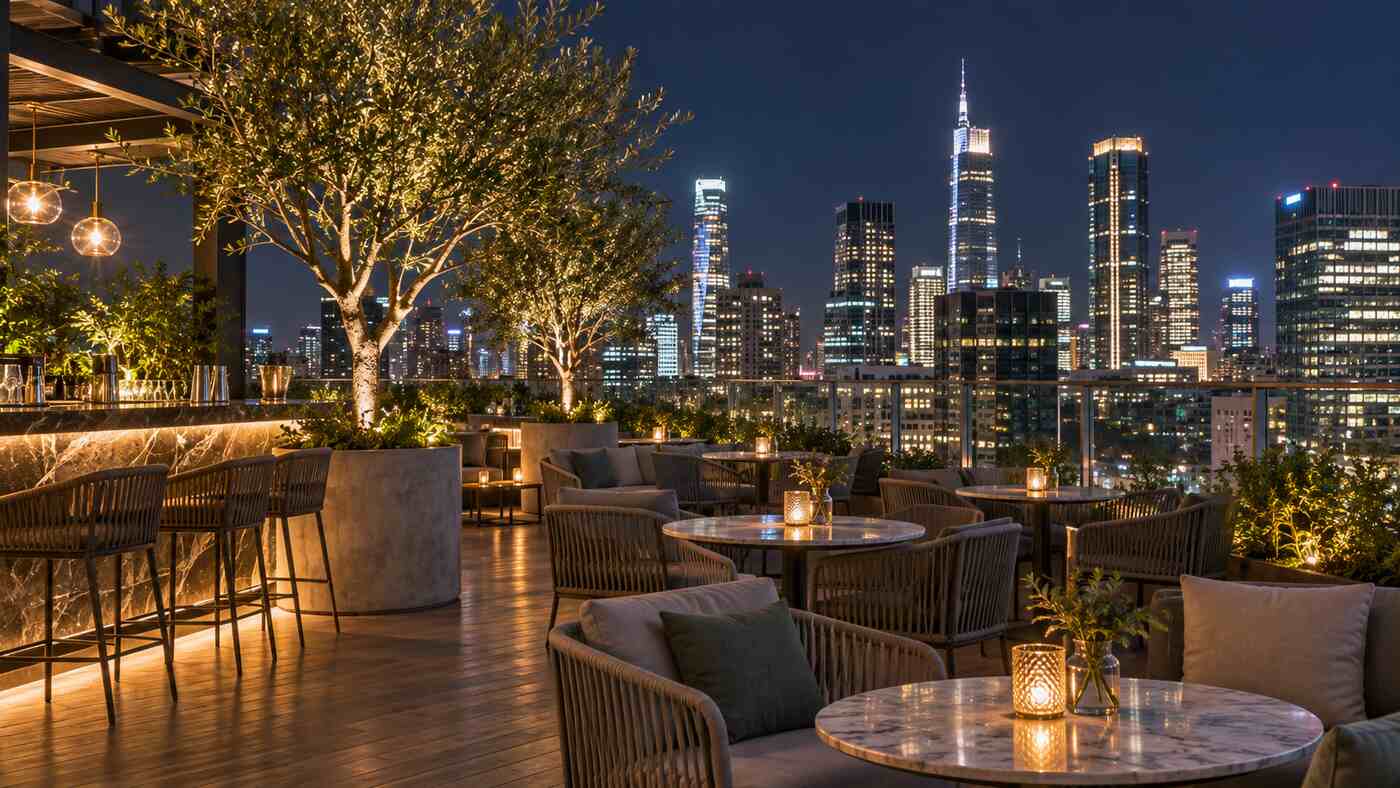
    A modern cocktail bar terrace built around a large old tree with warm lighting
    Thonglor and Ekkamai are known for cocktail bars and live music. Illustration.

    Thonglor and Ekkamai

    Thonglor and Ekkamai, two neighbouring districts further east along Sukhumvit, became known in the 2000s for live-band bars. BK’s history names Song Salueng on Thonglor Soi 21 as the venue that “led the live band movement”, followed by Nung Len and Escobar. Sode Samo, a club in an old house, had to close at 2am, which BK calls customary around Ekkamai and Thonglor. Today the area is known for cocktail bars: Time Out Bangkok’s 2026 Bar of the Year shortlist includes Dry Wave Cocktail Studio on Thonglor Soi 13.

    Ekkamai is also where the city’s worst nightlife disaster happened. The Santika club fire on New Year’s Day 2009 killed 67 people, according to a corrected Associated Press report. That blaze was apparently started by an indoor fireworks display.
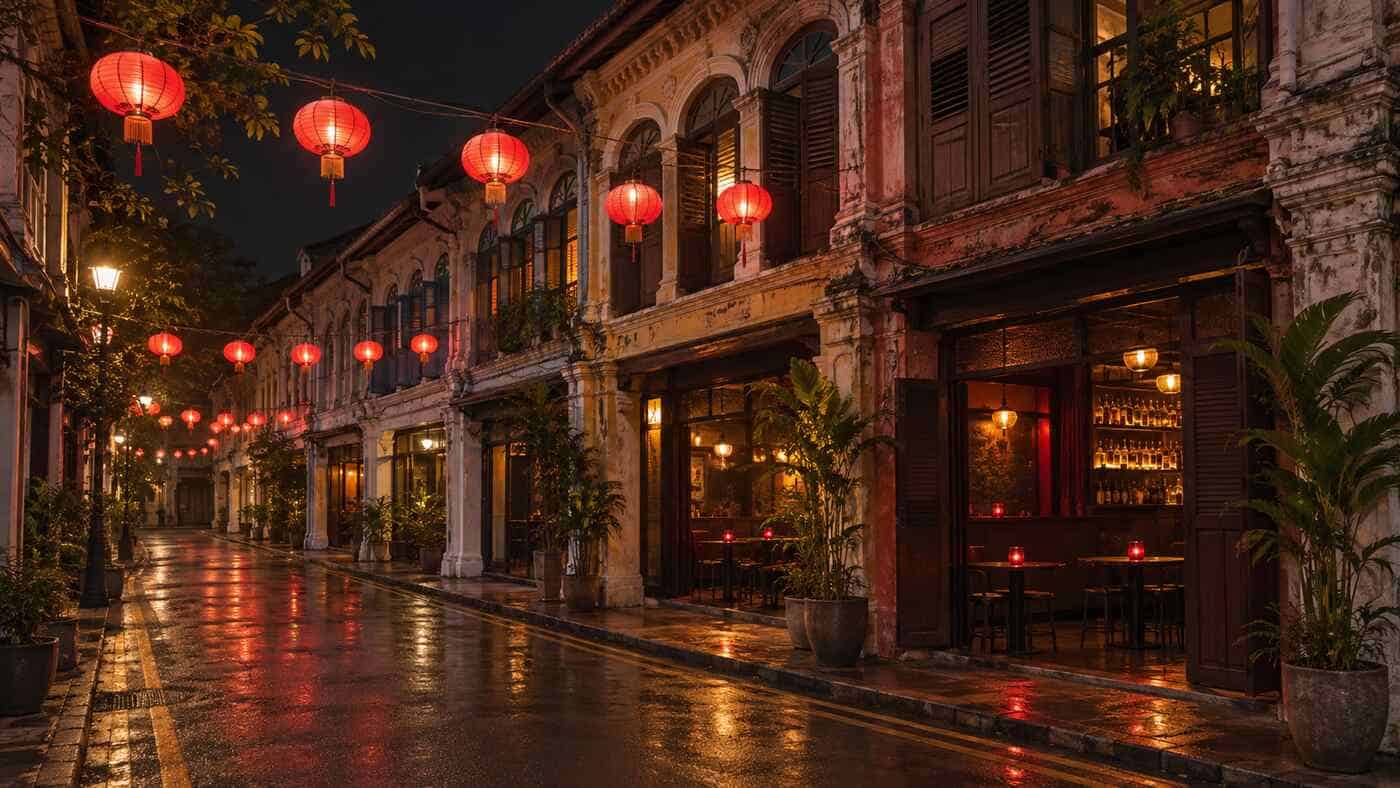
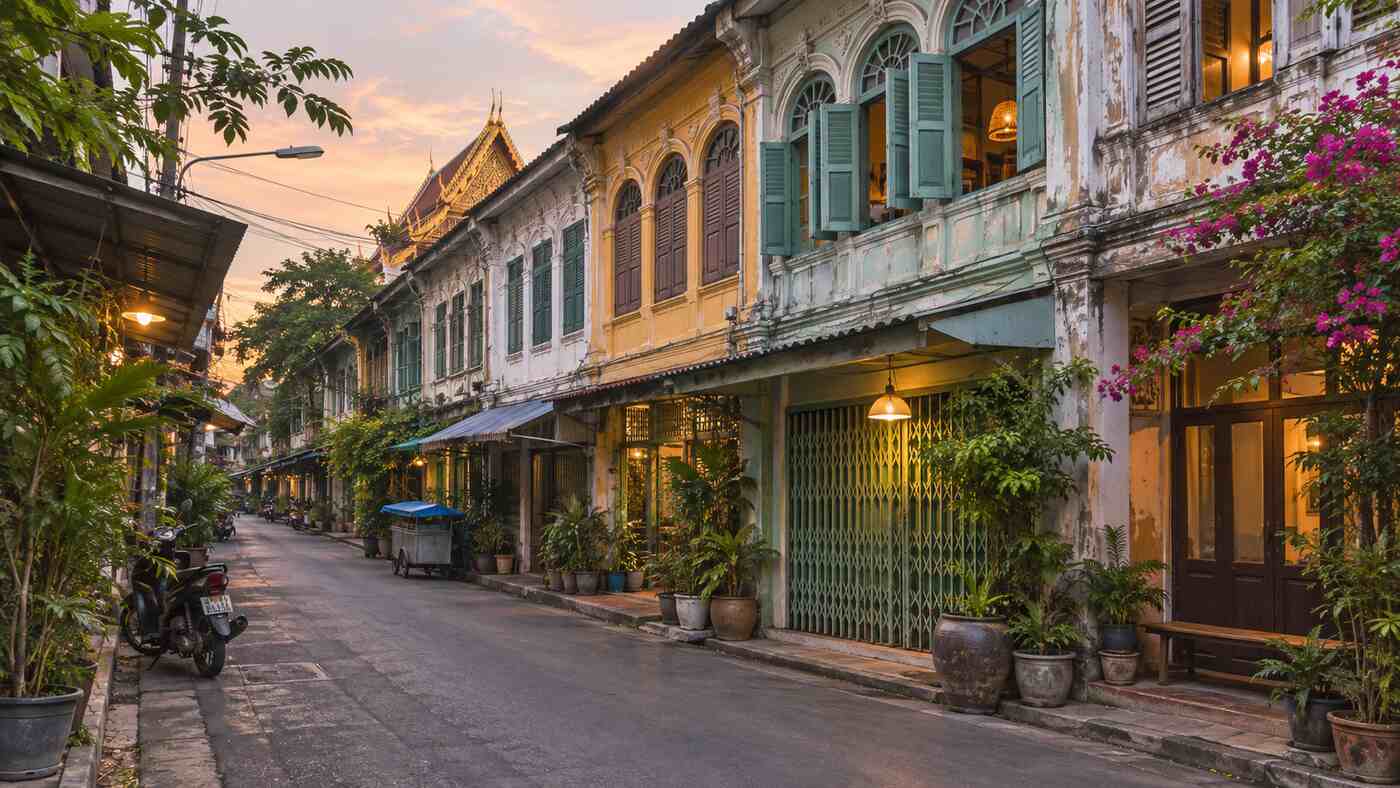
    Old shophouses in a historic quarter at night with red lanterns and dim bar windows
    Chinatown’s old shophouses now hold some of the city’s acclaimed bars. Illustration.

    Sukhumvit Soi 11 and lower Sukhumvit

    Sukhumvit Soi 11 became a club street after Q Bar opened there in 1999. It is now home to Levels, open since 2012 according to its own site, rooftop bars and Time Out’s 2026 Best New Opening, MIRA Club. Our Soi 11 guide tells its full story. Philip Cornwel-Smith lists Nana and Soi Cowboy, on nearby stretches of Sukhumvit, among the city’s prominent nightlife districts.

    Khao San Road and Chinatown

    Khao San Road in the old city has drawn backpackers since the late 1970s, according to CNN’s history of the street. It was part of the 4am trial from the start, and the government has proposed a “nightlife sandbox” for Khao San and neighbouring Rambuttri Road, where a survey counted more than 30 entertainment venues, the Bangkok Post reported.

    Chinatown is the newest name on the map. Time Out’s 2026 Bar of the Year, Opium Bar, sits above the restaurant Potong in a 120-year-old building on Vanich 1 Road, and the same shortlist includes G.O.D., set in two former shophouses in Pom Prap.
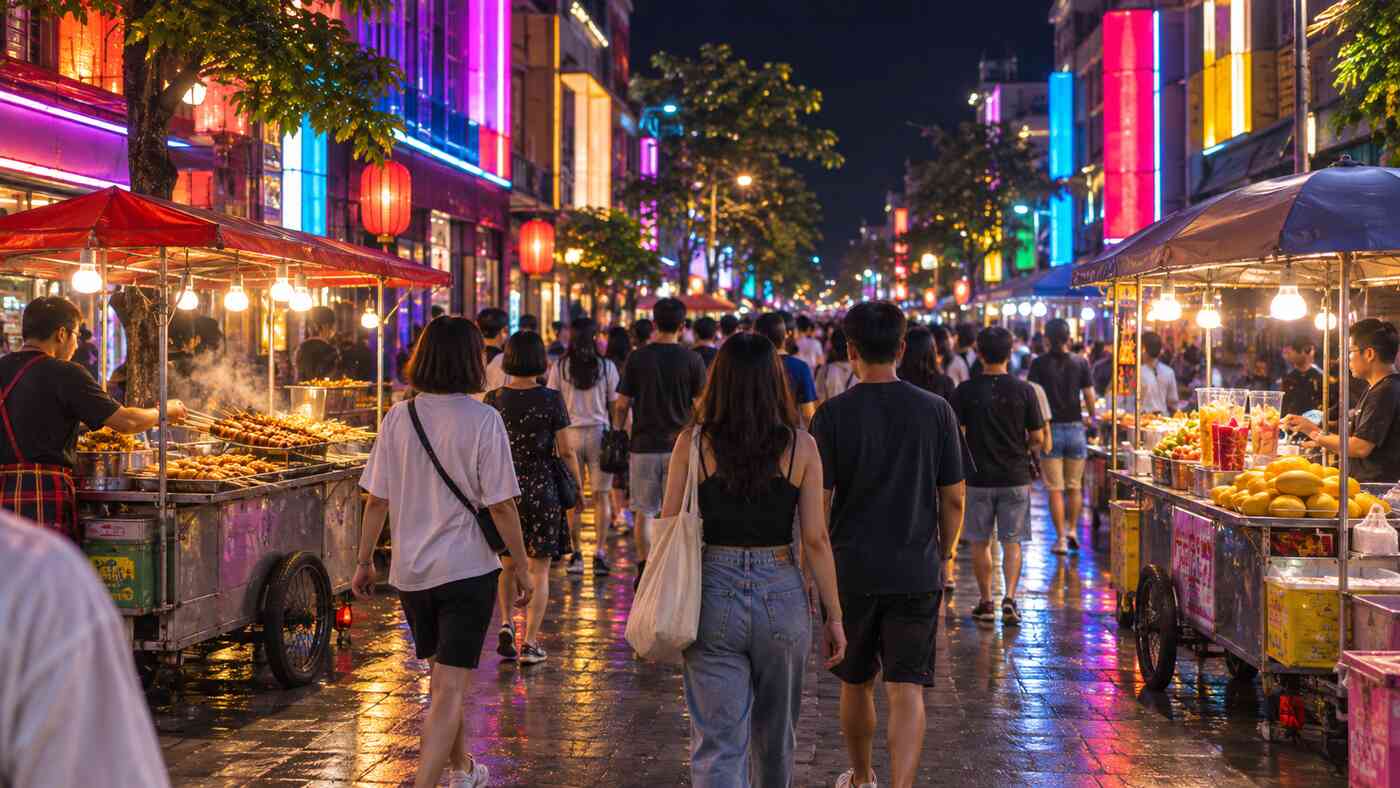
    A busy pedestrian street at night lined with neon signs and food carts
    Khao San Road was included in the 4am trial from its first weekend. Illustration.

    Bangkok nightlife districts at a glance

    DistrictKnown forOfficial zone
    Silom and PatpongOldest nightlife area, LGBTQ+ bars on Soi 2 and Soi 4Yes
    RCALarge clubs on one stripYes
    RatchadaVery large venuesYes
    Thonglor and EkkamaiLive bands and cocktail barsNo
    Sukhumvit Soi 11Clubs, rooftops, bistrosNo
    Khao San RoadBackpacker bars4am trial area
    ChinatownNew cocktail bars in old buildingsNo

    Key takeaways

    • RCA, Patpong and Ratchada are the zones in Bangkok’s 2002 nightlife zoning plan.
    • Silom, Patpong, RCA, Ratchadaphisek, Khao San and hotel venues were included in the 4am trial.
    • Patpong grew on land bought by the Patpongpanich family in 1946, and RCA on a railway lease.
    • Thonglor and Ekkamai are known for live music and cocktail bars rather than late licences.
    • Chinatown and Sukhumvit Soi 11 hold many of the city’s newest award-winning bars and clubs.

    Common questions

    Which area of Bangkok has the best nightlife?

    It depends on what you want. RCA and Ratchada have large clubs, Silom and Patpong the oldest mix of bars and the LGBTQ+ scene on Soi 2 and Soi 4, Thonglor cocktail bars and live music, Sukhumvit Soi 11 clubs and rooftops, and Chinatown some of the city’s acclaimed new bars. We do not rank districts.

    Where are clubs allowed to open until 4am?

    In Bangkok, the 4am trial that began in December 2023 covers licensed entertainment venues in Silom, Patpong, RCA and Ratchadaphisek, Khao San Road and venues inside registered hotels. Elsewhere, normal licence hours apply. Always check current announcements, because the rules have changed several times.

    What does RCA stand for?

    RCA stands for Royal City Avenue, a street in Huai Khwang district running between Rama IX Road and Phetchaburi Road. It is managed by Narai Ruampipat on land leased from the State Railway of Thailand, and it is one of the city’s three original entertainment zones.

    Is Patpong a public street?

    No. Patpong 1 and Patpong 2 are private roads owned by the Patpongpanich family, whose patriarch bought the land in 1946. Silom Soi 4 and Soi Thaniya nearby are not owned by the family. The area is in Bang Rak district, close to Sala Daeng BTS station.

    How we put this together: district histories come from Wikipedia’s articles on Patpong and Royal City Avenue, Pride Thailand’s history of Silom Soi 4, BK Magazine’s 2013 history of clubbing and Philip Cornwel-Smith’s Koktail column. Zoning and closing-time rules come from Bangkok Post reports. Current venues are those named in Time Out Bangkok’s 2026 Nightlife Awards.

    Sources

  • Bangkok nightclub closing times: the 4am zones explained

    Bangkok nightclub closing times: the 4am zones explained

    In short: since December 2023, licensed entertainment venues in Bangkok’s designated zones of Silom, Patpong, RCA and Ratchadaphisek, plus Khao San Road and venues inside registered hotels, may open until 4am. Other bars follow the general alcohol hours of 11am to midnight, with customers allowed to finish drinks until 1am. Election periods bring separate alcohol bans.

    “What time do clubs close in Bangkok?” is one of the most common questions visitors ask, and the honest answer is that it depends on where you are and what licence the venue holds. For two decades the answer was simple and early. Since late 2023 it has been more generous but more complicated. This guide explains the current rules, how they came about and the exceptions that catch people out. It is general information, not legal advice, and rules change, so check official announcements before you rely on a time.

    What is a Bangkok entertainment zone?

    An entertainment zone is an area where the government allows nightclubs, pubs and bars offering dancing or other regulated entertainment to operate under a special licence. Bangkok’s zoning plan dates from 2002, according to the Bangkok Post, and names three zones: RCA, Patpong and Ratchada. Venues outside those zones cannot legally operate as nightclubs under the current rules, which PM’s Office Minister Paradorn Prissananantakul said no longer reflect Bangkok’s realities as a tourism destination.

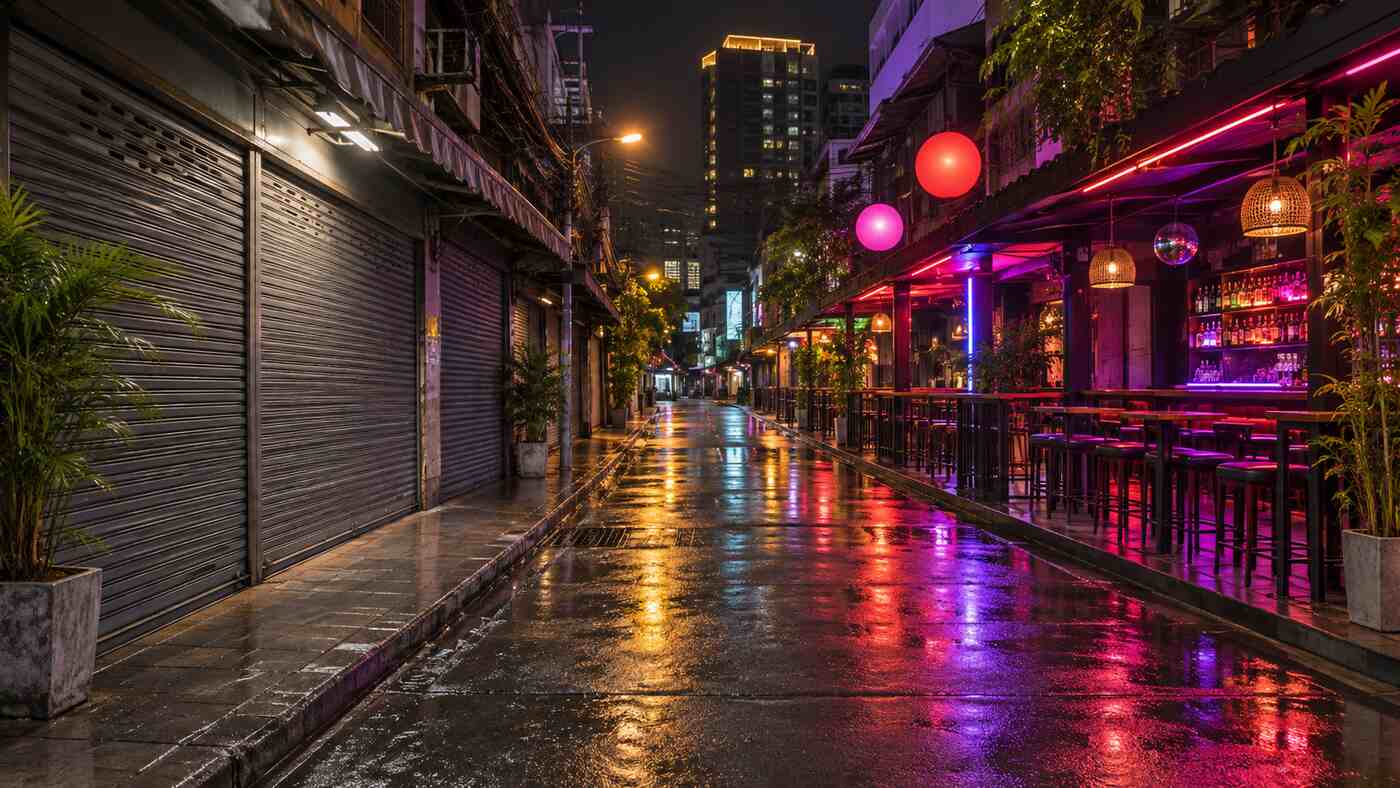
    A Bangkok street at night with closed shutters on one side and lit bar signs on the other
    Closing times depend on the zone and the licence a venue holds. Illustration.

    How the 4am trial began

    Prime Minister Srettha Thavisin announced longer opening hours late in 2023 to boost tourism, Mixmag reported. A trial allowing venues in Bangkok, Chiang Mai, Chon Buri and Phuket to stay open until 4am began on 15 December 2023, according to the Bangkok Post. The cabinet had earlier approved a draft regulation that also covered Koh Samui, the paper reported in a separate article.

    Before the change, Bangkok clubs generally closed at 2am, Mixmag said. Tourist Police Commander Pol Maj-Gen Adisorn Ngamjitsuksri told venues they could open until 4am only if they held an operating licence under Article 3 of the 1966 Place of Entertainment Act.

    A wooden desk with an official-looking stamped document, a pen and a desk lamp
    Only venues licensed under the 1966 Place of Entertainment Act can open to 4am. Illustration.

    Where are the 4am zones in Bangkok?

    In Bangkok the extended hours apply to entertainment venues in Silom, Patpong, RCA and Ratchadaphisek, and to venues inside hotel premises, the Bangkok Post reported. Khao San Road was added at the same time. Then Interior Minister Anutin Charnvirakul inspected the strip on the trial’s second night and said the government was ready to consider more areas.

    AreaStatus in the trial
    Silom and PatpongDesignated zone, licensed venues to 4am
    RCA (Royal City Avenue)Designated zone, licensed venues to 4am
    RatchadaphisekDesignated zone, licensed venues to 4am
    Khao San RoadIncluded from the start of the trial
    Registered hotels, nationwideVenues inside hotels to 4am
    Everywhere elseNormal licence hours apply

    The government later proposed a “nightlife sandbox” for Khao San and Rambuttri roads, where a survey found more than 30 entertainment venues. Our guide to the nightlife districts describes each area.

    A quiet hotel lobby bar late at night with low lights and empty stools
    Venues inside registered hotels were included in the 4am rules. Illustration.

    Conditions on the longer hours

    The longer hours came with conditions. “Business operators have promised not to sell alcohol to those who are clearly drunk,” Anutin said. “There must be no narcotics and weapons at the venues, and there must be no patrons under the age of 20.” He said compliance with drink-driving rules would be watched closely. Not everyone welcomed the change. Polathep Vichitkunakorn of the Centre for Alcohol Studies said studies found that harassment, assaults, fights and property damage tend to rise when alcohol is freely available for longer, and the Bangkok Post had earlier run a warning headlined “Caution advised before extending bar hours to 4am”.

    A row of taxis waiting under street lights outside a late-night entertainment strip
    Drink-driving rules were a condition of the longer hours. Illustration.

    Alcohol sale hours outside the zones

    Venue closing times are separate from the hours when alcohol may be sold. From 1972 most outlets were barred from selling alcohol between 2pm and 5pm. A regulation signed by Public Health Minister Pattana Phrompat lifted that afternoon ban for a 180-day trial, making sale hours 11am to midnight and letting customers at licensed premises stay until 1am to finish their drinks, the Bangkok Post reported. The Alcoholic Beverage Control Committee later made 11am to midnight permanent, ending what the Bangkok Post called the 54-year-old afternoon ban.

    Airports, licensed entertainment venues and hotels are exempt from the normal hours. Since November 2025 drinkers themselves can be fined for drinking at unlicensed premises in restricted hours, according to the US Library of Congress summary of the amended Alcoholic Beverage Control Act.

    A wall calendar with several dates circled in red marker beside a light switch
    Election days bring nationwide alcohol bans. Illustration.

    Dry days and election bans

    Elections bring separate bans that override closing times. For Bangkok’s June 2026 governor and council elections, the Election Commission banned the sale, distribution or giving away of alcohol from 6pm on Saturday 27 June to 6pm on Sunday 28 June, with penalties of up to six months in prison, a 10,000 baht fine or both, The Nation reported. During the February 2026 general election, bars and restaurants reported sales falling by up to half, according to The Drinks Business. The ban allowed no exceptions for tourist or entertainment areas.

    Late nights peak around festivals such as Songkran in April. SiamFest lists Thailand festival dates for 2026-2027 with trip plans.

    Key takeaways

    • Licensed venues in Silom, Patpong, RCA, Ratchadaphisek and Khao San, and venues in hotels, may open until 4am.
    • The 4am rule needs a licence under the 1966 Place of Entertainment Act.
    • Alcohol may be sold from 11am to midnight elsewhere, with drinks finished by 1am on licensed premises.
    • Patrons must be at least 20, and venues must not serve people who are clearly drunk.
    • Election days bring alcohol bans with no exceptions for tourist areas.

    Common questions

    What time do clubs close in Bangkok?

    It depends on the venue. Licensed entertainment venues in the designated zones of Silom, Patpong, RCA and Ratchadaphisek, on Khao San Road and inside hotels may open until 4am. Other venues follow their own licence hours, and general alcohol sales stop at midnight with drinks finished by 1am on licensed premises.

    Is Sukhumvit a 4am zone?

    Sukhumvit Road was not among the Bangkok zones named by the Bangkok Post when the trial began. Venues inside registered hotels on Sukhumvit may qualify, but stand-alone bars generally do not. Our guide to Sukhumvit Soi 11 covers one of the street’s busiest nightlife lanes.

    What is the drinking age in Thailand?

    The legal age is 20. When he inspected Khao San Road during the first weekend of the 4am trial, Interior Minister Anutin Charnvirakul said there must be no patrons under the age of 20 at venues that open late. Expect ID checks at clubs.

    Can you drink in Bangkok on election day?

    No. The Election Commission bans the sale, distribution and giving away of alcohol in the areas voting, usually from 6pm the day before polling until 6pm on polling day. Penalties can include up to six months in prison and a fine of up to 10,000 baht.

    Why did Bangkok bars close at 1am in the 2000s?

    In 2001 the government’s social order campaign began enforcing old licensing laws, with last drinks at 1am and frequent police raids, an AFP report from that September said. Our history of clubbing in Bangkok explains how that shaped the city’s nightlife.

    How we put this together: we read Bangkok Post reports on the 4am trial, the zoning plan and the alcohol sale-hours changes, the Library of Congress summary of the 2025 law, Mixmag’s report on the licence rule and The Nation’s coverage of the 2026 election ban. Rules change often, so check official announcements before relying on any time given here.

    Sources

  • Bangkok clubbing history: hotel discos to superclubs

    Bangkok clubbing history: hotel discos to superclubs

    In short: Bangkok clubbing began in hotel discotheques in the 1970s, moved into big independent clubs such as The Palace and NASA in the 1980s, and found an underground in Silom Soi 4 and Patpong in the 1990s. Q Bar and Bed Supperclub made international DJs routine after 1999. Early closing times from 2001 shaped the scene for two decades until the 4am trial began in December 2023.

    Bangkok has a reputation as one of Asia’s great party cities, but its clubs have rarely lasted. Venues open, burn bright for a few years and close because of rent, trends, regulation or, in the worst cases, tragedy. This history follows Bangkok clubbing decade by decade, drawing mostly on the people who were there. It is part of an independent guide that started with the story of Q Bar, one of the clubs that changed the city.

    Hotel discotheques of the 1970s and 1980s

    A discotheque is a venue where recorded music is played for dancing, usually by a DJ. In Bangkok the first fashionable ones were inside hotels. Writing in BK Magazine’s 2013 history of clubbing, author Pahd Pasiigon remembered Diana at The Oriental, The Bubble at the Dusit Thani and The Flamingo at The Ambassador at the turn of the 1980s. Guests had to dress up to get in, live bands and DJs took turns, and Diana was probably the first venue in Thailand to use laser lights.

    Then came The Palace on Vibhavadi Rangsit in the early 1980s, when, in Pahd’s words, clubs “became independent of the hospitality business.” NASA in Ratchada took its design from the space race: a huge hangar with smoke machines and flashing lights that could hold about 4,000 people a night.

    A 1970s-style hotel discotheque with velvet armchairs, a small dance floor and a mirror ball
    In the 1970s and early 1980s, discos sat inside the big hotels. Illustration.

    The 1990s: Silom Soi 4, Patpong and Sukhumvit

    The 1990s gave Bangkok its first rave culture. BK’s contributors place it on Silom Soi 4, where Rome Club drew crowds every night of the week and Deeper was “one of the first clubs for underground raves”. Lucifer’s on Patpong opened in 1998 as one of the first clubs to play techno trance and stay open until 5am. On Sukhumvit, Narcissus on Soi 23 was known for Roman-style architecture and top sound systems, and Taurus on Soi 26 combined a jazz band, a restaurant and a club room. A bottle of whisky there cost 3,000 baht.

    The city was also learning where to find things. Philip Cornwel-Smith recalls in Koktail Magazine that the listings magazine Bangkok Metro launched in August 1994 and listed more than 1,000 events and places a month.

    A vast hangar-like club interior filled with stage smoke and sweeping coloured lights
    Ratchada’s NASA held about 4,000 people a night. Illustration.

    Why did Bangkok clubs close early in the 2000s?

    In 2001 Interior Minister Purachai Piemsomboon began a “social order” campaign that enforced old licensing laws. Bars had to serve last drinks at 1am, according to an AFP report from September 2001, and the minister led raids in which customers were given on-the-spot urine tests. Bar managers said takings had halved. Cornwel-Smith writes that the policy tried to concentrate nightlife in Silom, Ratchada and RCA, with early closing times that were unprofitable.

    Raids continued for years. In 2004 the Associated Press described police locking nearly 400 customers inside Q Bar for drug tests and noted that nightspots outside designated entertainment areas had to close earlier, while under-18s faced a curfew.

    An empty underground room with bare concrete walls, speaker stacks and a single strobe
    Silom Soi 4 bars hosted the city’s first raves in the 1990s. Illustration.

    Superclubs and the Soi 11 era

    Despite the curfew, the 2000s produced Bangkok’s most famous clubs. Ministry of Sound opened on Sukhumvit Soi 12 in 2001 and lasted one year and one month, according to Q Bar’s marketing director Matt Hammond in BK’s history. Q Bar founder David Jacobson told BK that when he arrived “Bangkok only had beer gardens, hotel bars, go-go bars and hiso Thai bars”, and that he set out to build a New York-style club with trained staff and DJs.

    Bed Supperclub opened on Soi 11 in 2002 and closed on 31 August 2013. Its creative director, Sanya Souvanna Phouma, told BK the team was “proud of having put Bangkok on the map in terms of clubbing, food and culture.” Elsewhere, Club Culture on Phaya Thai Road ran student nights that, according to the Goodcat collective’s co-founder, helped start the city’s indie scene, while Astra at RCA hosted international DJs. Our guide to Sukhumvit Soi 11 covers that street in depth.

    Santika and the end of an era

    Santika on Ekkamai was one of the city’s largest venues, able to hold more than 1,000 guests, according to the Bangkok Post. A fire in the first minutes of New Year’s Day 2009 killed 66 people, the figure given in the Wikipedia account of the Santika Club fire. Other reports give different totals, and BK’s 2013 history says 60. The Bangkok Post says the disaster led to changes in fire-safety standards, occupancy rules and licensing for entertainment venues across Thailand. A 24-hour fast-food restaurant now stands on the site.

    A minimalist all-white club room with long white daybeds and soft blue lighting
    Bed Supperclub replaced tables with white beds. Illustration.

    Bangkok clubbing timeline

    • Late 1970s to early 1980s: hotel discos such as Diana, The Bubble and The Flamingo.
    • Early 1980s: The Palace opens as an independent club.
    • August 1994: Bangkok Metro listings magazine launches.
    • 1998: Lucifer’s opens on Patpong.
    • December 1999: Q Bar opens on Sukhumvit Soi 11.
    • 2001: the social order campaign brings 1am last drinks, and Ministry of Sound opens.
    • 2002: Bed Supperclub opens.
    • 1 January 2009: the Santika fire.
    • 31 August 2013: Bed Supperclub closes.
    • 15 December 2023: the 4am closing trial begins in four provinces.
    A small stage with a drum kit and guitars under warm lights in a crowded bar
    Live-band bars took over Thonglor and Ekkamai in the 2000s. Illustration.

    From themed bars to the 4am trial

    In the 2010s Bangkok’s big nights moved towards designed venues. The Bangkok Post recalls Maggie Choo’s beneath the Novotel Bangkok Fenix Silom, styled by Australian designer Ashley Sutton as 1930s Shanghai, and the Ice Bar at Titanium on Sukhumvit Soi 22, kept at about minus 10 degrees. Bed’s team later held a one-night revival at Sutton’s Sing Sing Theater, which Mixmag Asia loosely called “the second coming of Bed Supperclub.”

    The biggest change came in late 2023. A trial allowing licensed venues in designated zones of Bangkok, Chiang Mai, Chon Buri and Phuket to open until 4am began on 15 December, the Bangkok Post reported. Writing in early 2024, Cornwel-Smith noted that the new government had extended closing times to 4am in the old social order zones, with more areas to follow. Our guide to Bangkok nightclub closing times explains the current rules, and our guide to the nightlife districts shows where the zones are.

    Key takeaways

    • Bangkok clubbing started in hotel discotheques and went independent in the early 1980s.
    • Silom Soi 4 and Patpong hosted the first rave and techno clubs in the 1990s.
    • The 2001 social order campaign imposed early closing and frequent raids.
    • Q Bar and Bed Supperclub made international DJs a regular part of Bangkok nightlife.
    • The Santika fire of 2009 changed safety and licensing rules, and the 4am trial of 2023 relaxed closing hours.

    Common questions

    What was the first nightclub in Bangkok?

    No source we found names a single first club. BK Magazine’s history traces the scene to hotel discotheques around the late 1970s, including Diana at The Oriental, which may have been the first venue in Thailand with laser lights. The Palace, in the early 1980s, is described as the start of independent clubs.

    Was Ministry of Sound in Bangkok?

    Yes. A Ministry of Sound club opened on Sukhumvit Soi 12 in 2001. Q Bar’s marketing director Matt Hammond told BK Magazine it had a huge dance floor and a VIP balcony, hosted DJs such as Paul Oakenfold, and lasted one year and one month before closing.

    How many people died in the Santika fire?

    Figures vary between sources. The Wikipedia account and the Bangkok Post article text give 66 deaths, a Japanese fire-science report also gives 66, BK Magazine’s 2013 history says 60, and a Bangkok Post photo caption says 59. More than 200 people were injured in the fire on New Year’s Day 2009.

    When did Bangkok’s 4am closing start?

    The trial began on 15 December 2023 in designated zones of Bangkok, Chiang Mai, Chon Buri and Phuket, according to the Bangkok Post. It applies only to licensed entertainment venues in those zones and to certain hotels, not to every bar in the city.

    How we put this together: the decade-by-decade account relies on first-hand recollections collected in BK Magazine’s 2013 history of clubbing, Philip Cornwel-Smith’s 2024 Koktail column and the Bangkok Post’s feature on lost venues. Policy history comes from AFP and Associated Press reports. Where death tolls or dates differ, we give the range and name the sources.

    Sources

  • Sukhumvit Soi 11 nightlife: history and guide to the street

    Sukhumvit Soi 11 nightlife: history and guide to the street

    In short: Sukhumvit Soi 11 was a mostly residential lane until Q Bar opened in 1999 and Bed Supperclub followed in 2002. The two clubs made it one of Bangkok’s best-known nightlife streets. Both had closed by 2013, and the soi went through a rougher patch before a newer wave of rooftop bars, bistros, hidden bars and clubs such as Levels and MIRA Club arrived.

    Ask long-time Bangkok residents where the city’s modern club scene took shape and many will point to one side street off Sukhumvit Road. Soi 11 has been a dead end, a party strip, a building site and a cocktail destination, sometimes all in the same decade. This guide traces the street’s nightlife from the late 1990s to today. It is an independent history and guide. We do not represent any venue, and we do not take payment for listings.

    What is Sukhumvit Soi 11?

    Sukhumvit Soi 11 is a side street off Sukhumvit Road in central Bangkok, close to the Nana district. A soi is a side street or lane in Thai. Time Out describes Soi 11 as “a very nightlife-heavy street” a short walk from BTS Nana, in its 2026 Nightlife Awards coverage. Rohit Sachdev, who opened the rooftop bar Above Eleven on the soi in 2012, told BK Magazine in 2019 that he was born on the street and that “it was always residential, then it began to transform to commercial.”

    A row of old shophouses on a narrow Bangkok lane in early evening light
    Before the clubs, Soi 11 was a lane of shophouses and homes. Illustration.

    A dead soi in 1999

    When Q Bar opened in December 1999, its managers described Soi 11 as “pretty much a dead soi”, according to The Nation’s 2012 interview with the club. A few years later Bed Supperclub’s white cylinder rose “behind run-down row houses and makeshift stores”, in the words of The Nation’s 2013 report on Bed’s closure. At that point, the paper said, the street had not yet shown signs of becoming one of the city’s busiest areas.

    Sachdev credits those two clubs with starting the change. “I think it started with Q Bar and Bed Supperclub and hotels like the Ambassador that have been open since the ’80s,” he told BK Magazine. Our Q Bar history tells the story of the first of them.

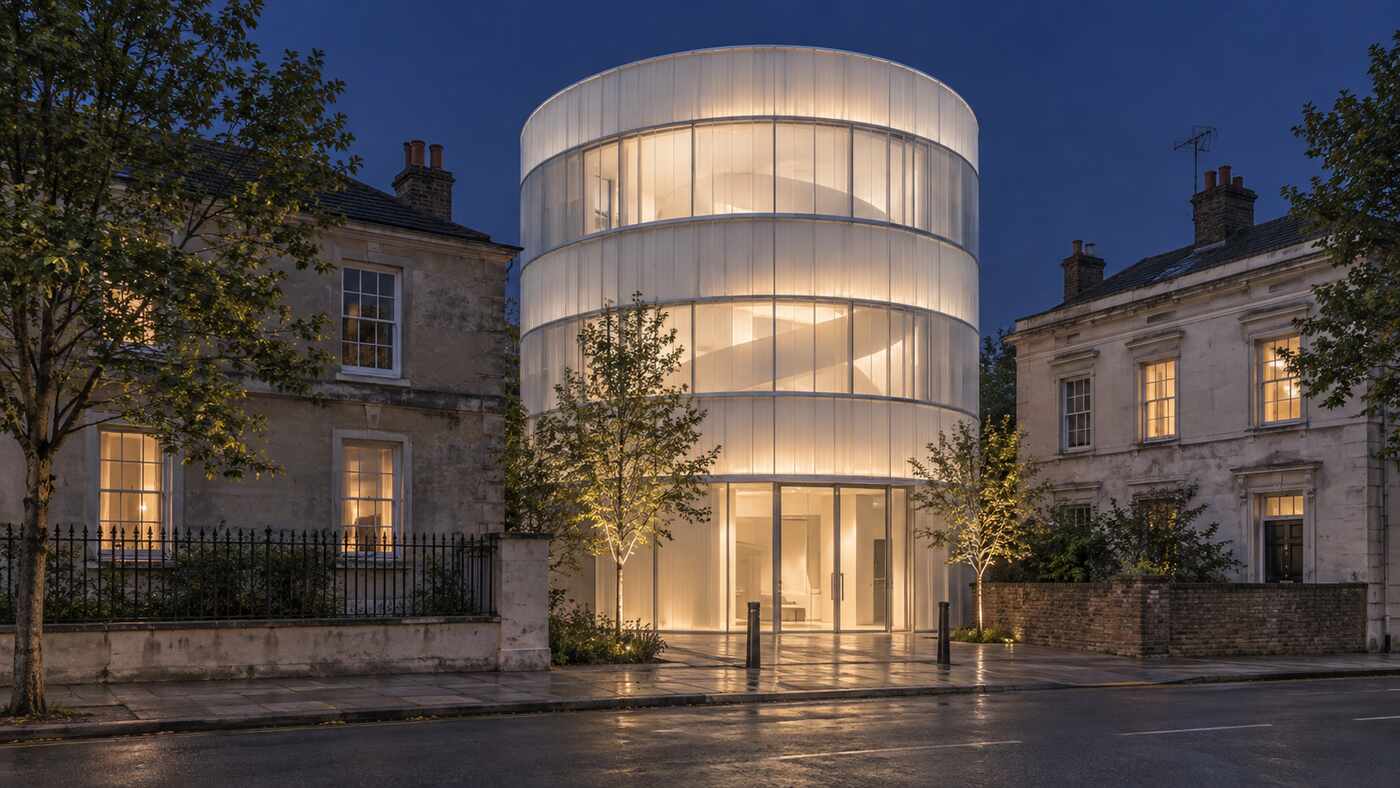
    A futuristic white cylindrical building lit softly at night between older low buildings
    A white cylinder rose behind the row houses when Bed Supperclub was built. Illustration.

    The club years: Q Bar, Bed and the 2000s

    Bed Supperclub opened in 2002, an offshoot of Amsterdam’s Supperclub designed by Thai architect Duangrit Bunnag, according to the Bangkok Post. Its founder, Paris Batra, had been a regular at Q Bar while he developed the idea, Coconuts reported. Bed kept Bangkok’s strictest dress code, with bouncers checking IDs and clothes, and critics called it “too Western for Bangkok”. It still filled up night after night.

    Damian Mackay, general manager of Hemingway’s, which moved to the soi from Soi 14, summed up the decade for BK Magazine: “When Climax and Bed Supperclub opened, followed by Levels and Insanity, it became really clubby. Then you had more restaurants like Oskar, 8 On Eleven or Alex Brasserie which gave more daytime options for people.” Levels, on the sixth floor of the Aloft hotel, says on its own website that it has operated on the soi since 2012.

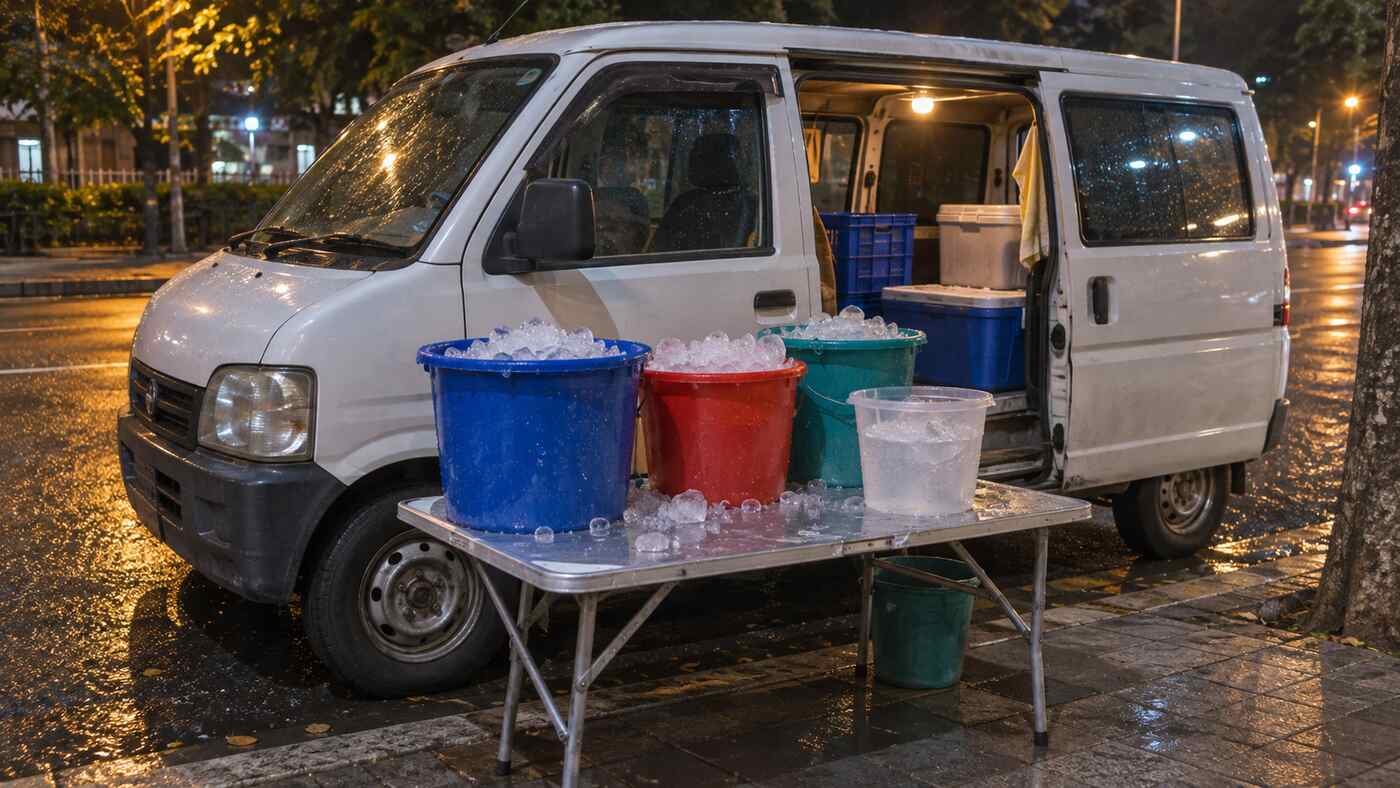
    A small van parked at a kerb at night with plastic buckets and ice on a folding table
    Street vans once sold drinks in buckets on the soi. Illustration.

    Soi 11 nightlife timeline

    • 1999: Q Bar opens on what its managers call a dead soi.
    • 2002: Bed Supperclub opens in its white “spaceship” building.
    • 2008: Venture Group opens a Manchester United-themed restaurant and bar on the soi.
    • 2011: Oskar opens, according to Time Out.
    • 2012: Above Eleven and Levels open.
    • 2012 to 2013: Q Bar is sold, and Bed Supperclub closes on 31 August 2013.
    • March 2017: Cheap Charlie’s and Charley Brown’s close for redevelopment.
    • 2026: MIRA Club wins Time Out Bangkok’s Best New Opening award.
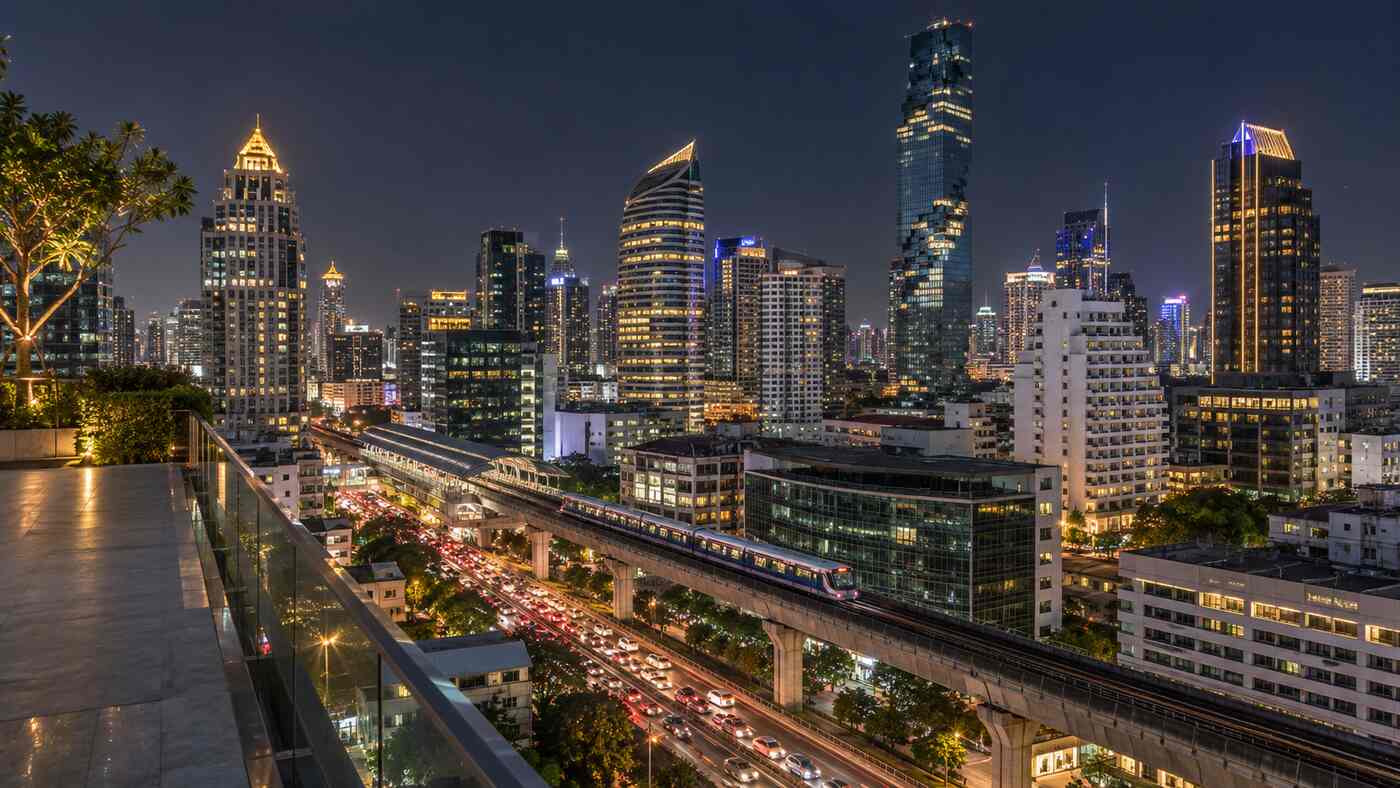
    A rooftop bar terrace with potted trees overlooking a lit city skyline at night
    Rooftop bars arrived on the soi in the 2010s. Illustration.

    Why did Soi 11 decline after 2013?

    Bed Supperclub’s lease on Soi 11 ended on 31 August 2013, and the club closed after eleven years. Batra blamed the street in part. He told Coconuts the area had become “cheapened” and that “Soi 11, for all of us, has become overcrowded.” Q Bar’s owner had already sold his club after a 500 per cent rent rise, according to BK Magazine.

    BK Magazine’s 2019 survey of the soi described what followed as “a wilderness of condo development, empty land plots” and rougher nightlife. In March 2017 two well-loved bars, Cheap Charlie’s and Charley Brown’s, closed to make way for redevelopment. “When Bed Supperclub and Q Bar closed, I would say the quality of people went downhill,” Sachdev said. Land values kept climbing anyway: he put them at about 400,000 baht per four square metres in 2004 and over 2 million baht by 2019.

    Jacqueline Sim of Venture Group remembered “little vans selling alcohol in buckets on the street” that undercut rent-paying bars until they were cleared after an election. She described the soi as one that “usually goes through cycles of boom and down time.”

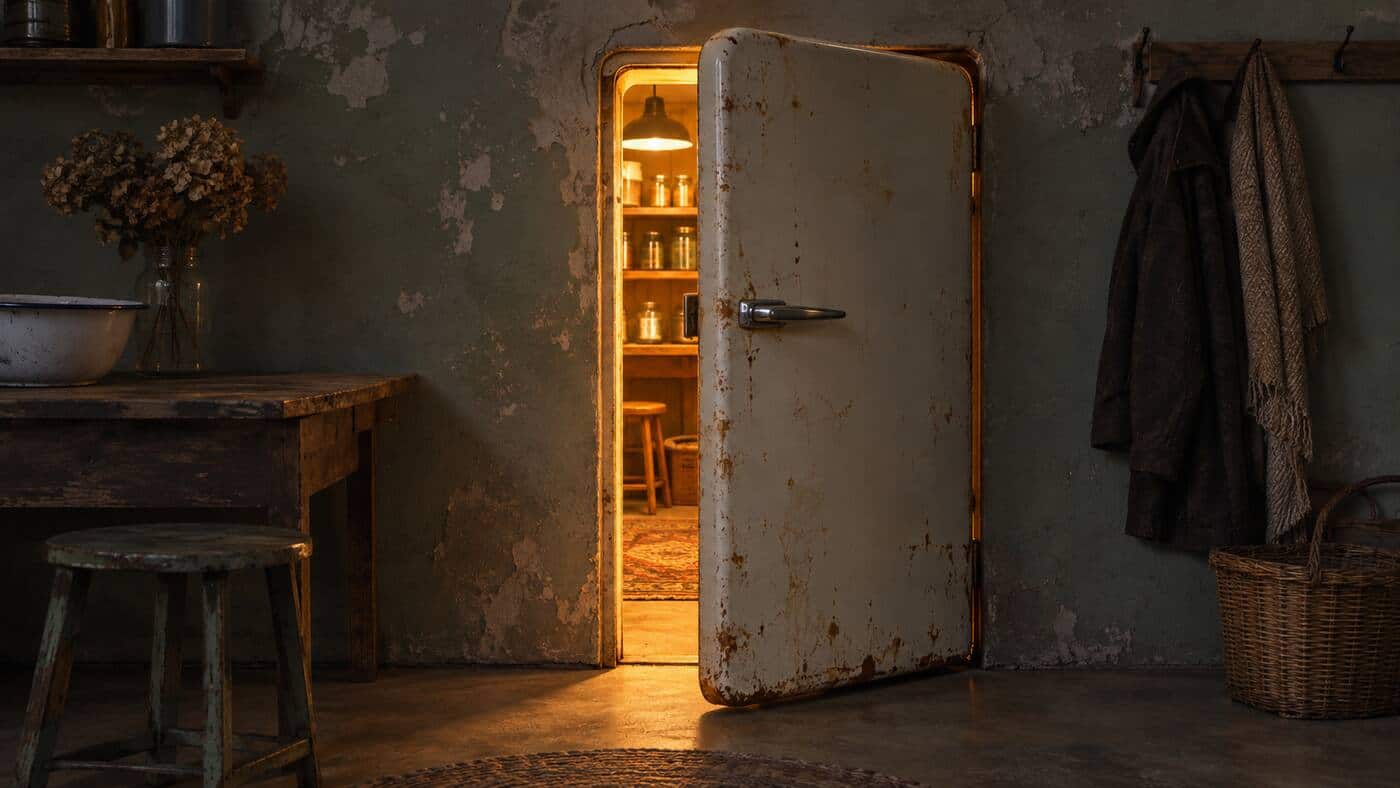
    An old refrigerator door set into a dim wall as a hidden entrance with warm light leaking out
    Hidden-door bars are part of the street’s newer wave. Illustration.

    Soi 11 today

    The soi is busy again. Time Out Bangkok’s 2026 awards named MIRA Club at 19 Sukhumvit Soi 11 its Best New Opening, describing a two-floor club playing house, tech house and Afro house. Its Best Hidden Venue, Don’t Open the Fridge, sits behind a real refrigerator door at 26/3 Soi 11. Oskar, at 24 Soi 11, has held its spot since 2011 and turns from a bistro into a small dance floor later in the evening. Time Out’s listing for Levels covers the soi’s biggest club.

    One thing to know before planning a late night: in the 4am trial that began in December 2023, the Bangkok zones named by the government were Silom, Patpong, RCA, Ratchadaphisek, Khao San and hotels, according to the Bangkok Post. Soi 11 was not among the named areas, so closing times vary by venue and licence. Our guide to Bangkok closing times explains the rules.

    Key takeaways

    • Soi 11 was largely residential until Q Bar opened in 1999.
    • Q Bar and Bed Supperclub made it Bangkok’s best-known club street in the 2000s.
    • Both clubs were gone by the end of August 2013, and the soi went through a rougher decade.
    • A newer wave of rooftop bars, bistros, hidden bars and clubs has since revived it.
    • Soi 11 is not one of the named 4am zones, so closing times depend on each venue.

    Common questions

    Why is Sukhumvit Soi 11 famous?

    Soi 11 became famous as a nightlife street after Q Bar opened there in 1999 and Bed Supperclub in 2002. Both booked international DJs and drew crowds from across Bangkok. Later venues such as Levels, Above Eleven and Oskar kept the street busy after the two pioneers closed by 2013.

    Is Q Bar still on Soi 11?

    No. Q Bar’s owner sold the club in late 2012 or early 2013, and it later carried on under a different name, BK Magazine reported. Tripadvisor now lists Q Bar at 34 Sukhumvit Soi 11 as permanently closed. This website is an independent history with no link to the club.

    When did Bed Supperclub close?

    Bed Supperclub closed when its lease ended on 31 August 2013, after eleven years on Soi 11, according to The Nation, Coconuts and Mixmag Asia. Its team held a one-night revival at Sing Sing Theater for the tenth anniversary of the closure. One later Bangkok Post feature gives a different closing year.

    What are the best bars on Soi 11 now?

    We do not rank venues. Time Out Bangkok’s 2026 Nightlife Awards named MIRA Club as Best New Opening and Don’t Open the Fridge as Best Hidden Venue, and featured Oskar, open since 2011. Levels, in the Aloft hotel, has operated since 2012. Check each venue’s own channels for current hours.

    How we put this together: the early history comes from The Nation’s 2012 and 2013 reports and the Bangkok Post’s feature on lost venues. The middle years rely on interviews with three Soi 11 business owners in BK Magazine’s March 2019 survey of the street. Current venues come from Time Out Bangkok’s 2026 Nightlife Awards and the venues’ own pages. Sources disagree on Bed Supperclub’s closing year, and we follow the 2013 reports.

    Sources